Exporting Dried Herbs to UK: Urgent Supply Requirements & 4 Compliance Steps (2026)
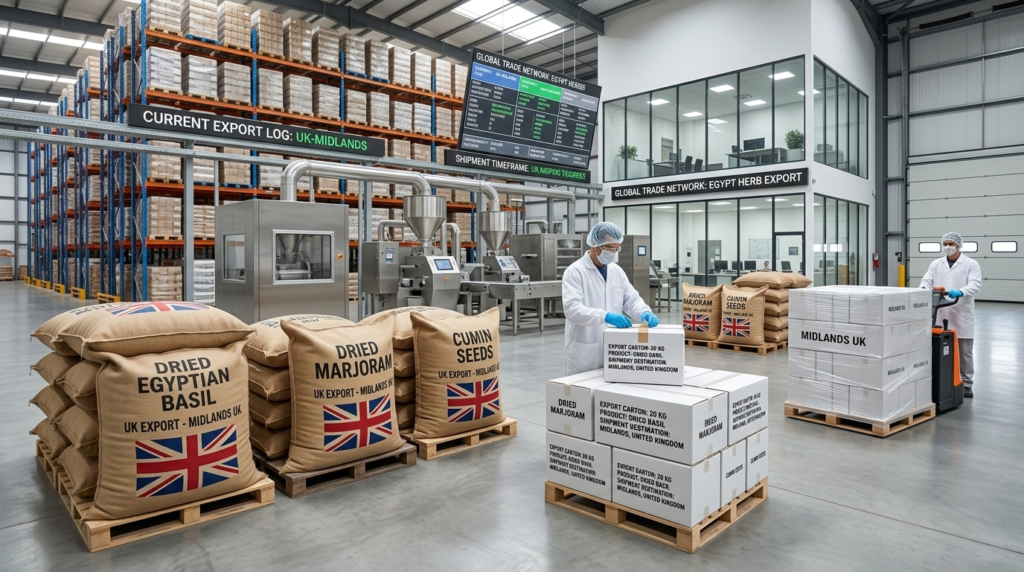
As manufacturing operations scale across Europe and North America, international trade networks have registered an Urgent Spot Buying Signal for premium culinary ingredients. Global procurement agencies are currently sourcing bulk shipments for Exporting Dried Herbs to UK food processing and blending hubs, centered specifically in the Midlands (Welling borough logistics cluster).
1. Operational Drivers & Supply Shortages in the UK Market
This high-priority buying signal stems from time-sensitive operational bottlenecks within the British food manufacturing sector:
-
Fourth-Quarter Manufacturing Push: Food processing plants across the UK are accelerating production schedules for Q4 processed meals, dry seasonings, and ready-to-cook food products.
-
Depleted Volatile-Oil Reserves: Local warehouse reserves of high-essential-oil herbs have dropped below critical operating thresholds, creating an immediate supply gap.
-
Risk of Assembly Line Shutdowns: Without swift bulk deliveries, major processing lines face operational downtime in their custom seasoning and packaging units.
These incoming shipments will be routed directly to key distribution facilities in Welling borough, Midlands, to support continuous supply to regional retail packaging plants.
2. Procurement Parameters & Spot Buying Timeline
This import request operates within a strict commercial window that requires immediate readiness from certified exporters and agricultural processors:
| Trade Parameter | Commercial Specification |
| Target Commodities | Dried Marjoram, Dried Basil, and Cumin Seeds (Whole/Crushed). |
| Delivery Point | United Kingdom – Midlands Logistics Hub (Wellingborough). |
| Technical & Commercial Offer Deadline | September 24, 2026 |
| Final Contract Signing & Trade Award | September 30, 2026 |
| Order Type | Scheduled Spot Procurement Window. |
3. Regulatory Guidelines for Exporting Dried Herbs to UK
Meeting international trade standards is mandatory when exporting dried herbs to UK processing hubs. Exporters must ensure their shipments satisfy strict health and safety frameworks:
-
UK Food Standards Agency (FSA) Compliance: Facilities must adhere to European and UK safety laws, including those regulated by the UK Food Standards Agency regarding imported raw ingredients.
-
Volatile Oil & Moisture Content: Leaves must retain high essential oil content, vibrant color, and moisture levels kept below 10% to prevent mold growth during sea transit.
-
Pesticide & Foreign Matter Limits: Raw materials must be thoroughly micro-cleaned, magnet-treated, and tested for Maximum Residue Limits (MRLs) and heavy metals.
-
Phytosanitary Certification: Every consignment must be accompanied by an official Phytosanitary Certificate issued by the exporting nation’s agricultural authority.
4. Packaging, Storage & Cold-Chain Guidelines
When preparing shipments for exporting dried herbs to UK manufacturing clients, packaging integrity determines whether raw products pass port inspections without delays:
-
Food-Grade Multi-Wall Packaging: Dried leaves must be packed in multi-ply paper bags or woven polypropylene bags lined with inner polyethylene moisture barriers.
-
Contamination & Pest Protection: Cartons and bags must undergo fumigation treatment (with ISPM-15 compliant pallets) to eliminate risk of pest introduction.
-
Batch Traceability & Labeling: Every master bag must feature clear English labels specifying product grade, harvest date, batch number, net weight, and country of origin.
5. Quality Control Protocols at Port Entry
Customs inspections at British ports of entry enforce rigorous physical and microbiological screening procedures before clearance:
-
Microbiological Screenings: Lab tests verify the total absence of Salmonella, E. coli, and aflatoxin contamination.
-
Essential Oil & Moisture Clearance: Port authorities evaluate aroma retention and physical purity to confirm the shipment meets industrial processing standards.
-
Documentation Matching: Invoices, Packing Lists, Bills of Lading, and Quality Certificates must match all declarations submitted to UK customs.
6. Strategic Advantages for Agro-Processors
Producers of herbs and spices who hold active international safety certifications can leverage this procurement signal to establish long-term supply contracts with major European buyers. Suppliers handling complementary agricultural lines—such as IQF frozen okra, dehydrated garlic, or onions—can also utilize this momentum to expand their export presence across B2B channels.
📥 Submit Your Offer & Connect Directly with the Importer
Do you possess ready stock matching these specs for exporting dried herbs to UK manufacturing hubs?
Register your company on Globe Trade today to access complete buyer profiles, submit your technical and financial quotes before the September 24, 2026 deadline, and finalize supply agreements seamlessly.
👉Click Here to Register and Submit Your Trade Quote Now