Supply Citrus Fruits to Senegal: 7 Proven B2B Sourcing Steps for 2026
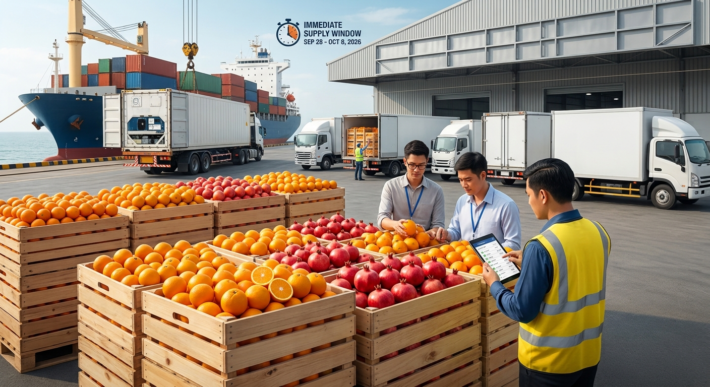
Supply citrus fruits to Senegal immediately to tap into one of West Africa’s most profitable agricultural import opportunities. An urgent, direct purchase request has officially been issued by major commercial procurement managers to secure immediate shipments of fresh citrus fruits—specifically oranges and mandarins—alongside high-grade pomegranates. This high-volume tender aims to stock the central wholesale market and its affiliated retail distribution hubs across Dakar.
With the onset of Senegal’s dry season and a notable decline in local tropical fruit harvests, regional produce buyers face a widening market supply gap. Overseas growers, exporters, and agricultural trading companies that act promptly during the official purchasing window running from September 20, 2026, to November 20, 2026 can establish lucrative, high-margin supply arrangements with verified Senegalese importers.
Strategic Market Overview: Dakar’s Dry Season Citrus Demand
Senegal’s urban centers rely heavily on imported fresh produce during the seasonal transition. The central market infrastructure in Dakar serves as a primary distribution node for the entire country and neighboring West African trade corridors.
Procurement Tender Breakdown
| Tender Attribute | Operational Specifications |
| Target Commodities | Fresh Oranges, Mandarins, Fresh Pomegranates |
| Primary Destination | Dakar Central Wholesale Market & Affiliated Regional Networks |
| Procurement Window | September 20, 2026 – November 20, 2026 (Urgent Delivery) |
| Market Driver | Dry season transition & local tropical fruit harvest decline |
| Commercial Strategy | High-volume supply focused on competitive landed pricing |
7 Essential Steps to Supply Citrus Fruits to Senegal Successfully
To navigate West African fruit trade channels effectively and secure long-term commercial contracts, international suppliers must fulfill specific phytosanitary, packaging, and shipping criteria.
+---------------------------------------------------------------+
|  1. Fast-Track Phytosanitary Inspections & Clearances         |
+---------------------------------------------------------------+
                               |
                               v
+---------------------------------------------------------------+
|  2. Meet Strict Wholesale Grade Packaging & Sizing Rules     |
+---------------------------------------------------------------+
                               |
                               v
+---------------------------------------------------------------+
|  3. Optimize Cold-Chain Transit for Dakar Sea Ports           |
+---------------------------------------------------------------+
                               |
                               v
+---------------------------------------------------------------+
|  4. Capitalize on Seasonal Price Gaps in West Africa          |
+---------------------------------------------------------------+
                               |
                               v
+---------------------------------------------------------------+
|  5. Structure Transparent B2B Payment & Delivery Terms        |
+---------------------------------------------------------------+
                               |
                               v
+---------------------------------------------------------------+
|  6. Lock in Orders Before the November 20 Deadline            |
+---------------------------------------------------------------+
                               |
                               v
+---------------------------------------------------------------+
|  7. Direct Buyer Engagement via Globtrade                      |
+---------------------------------------------------------------+
1. Fast-Track Phytosanitary Inspections and Clearances
To supply citrus fruits to Senegal without border friction, all agricultural shipments must satisfy strict plant protection requirements. Exporters need to provide valid phytosanitary certificates verifying that the produce is free from quarantine pests and meets international cold-treatment standards. Suppliers can consult global produce safety guidelines established by the International Plant Protection Convention (IPPC) to ensure full destination customs compliance.
2. Meet Strict Wholesale Grade Packaging and Sizing Rules
Wholesale vendors in Dakar require fruit that withstands secondary distribution to local markets without degrading in quality:
-
Oranges & Mandarins: Uniform size calibration, vibrant color, and high juice content packed in ventilated, open-top corrugated cartons or telescopic wooden crates.
-
Pomegranates: Thick-skinned varieties with high sugar levels, protected by internal dividers to prevent bruising during maritime shipment.
3. Optimize Cold-Chain Transit for Dakar Sea Ports
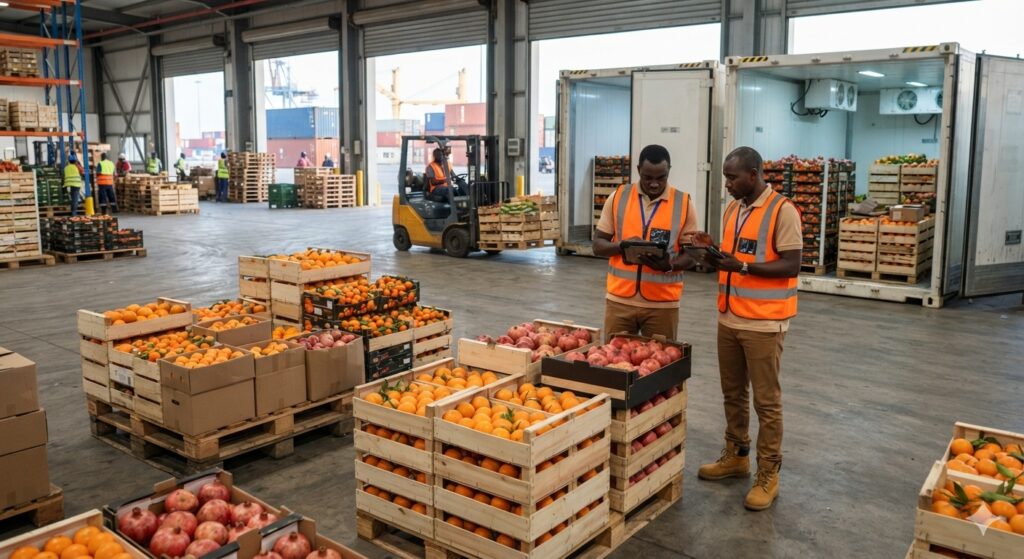
Preserving fruit firmness in transit requires strict temperature management. Shipping lines must maintain continuous refrigerated container settings (reefer units) from departure through discharge at the Port of Dakar to prevent premature ripening or spoilage.
4. Capitalize on Seasonal Price Gaps in West Africa
As domestic tropical fruit availability drops, consumer demand shifts rapidly toward affordable imported citrus. Overseas producers who can offer competitive landed prices per metric ton can capture market share rapidly during this peak purchasing window.
5. Structure Transparent B2B Payment and Delivery Terms
Establishing trust with West African buyers requires clear commercial agreements. Utilizing internationally accepted payment instruments—such as confirmed Letters of Credit (LC) or structured escrow agreements—protects both seller and buyer during high-volume agricultural trades.
6. Lock in Orders Before the November 20 Deadline
Time sensitivity is the main operational factor in this tender call. With the purchasing window closing on November 20, 2026, global suppliers aiming to supply citrus fruits to Senegal must secure vessel bookings and container space immediately to meet market timelines.
7. Direct Buyer Engagement via Globtrade
Eliminating unnecessary intermediary trade agents allows agricultural producers to offer more competitive pricing while securing direct, long-term supply contracts with major West African produce distributors.
Frequently Asked Questions (B2B Procurement)
Why is there an urgent demand to supply citrus fruits to Senegal right now?
The demand is triggered by the onset of Senegal’s dry season, which coincides with a drop in the harvest of local tropical fruits. This creates a severe fresh fruit deficit in Dakar’s central wholesale markets, making imported citrus and pomegranates highly sought after.
What quality standards are required when you supply citrus fruits to Senegal?
Fruit shipments must be clean, correctly sized, and accompanied by official phytosanitary documentation. Produce must be packed in sturdy, ventilated containers suitable for warm climates and tropical distribution networks.
Connect with Verified Importers Today
Do not miss this high-value commercial opportunity to supply citrus fruits to Senegal before the official purchasing window closes on November 20, 2026. Access direct importer tenders, trade documentation assistance, and verified buyer contacts through our central platform.