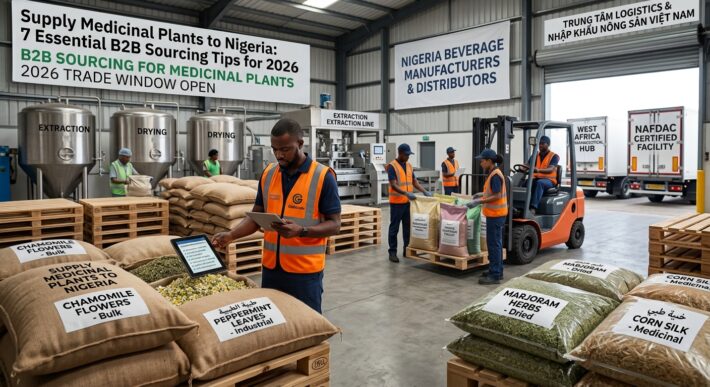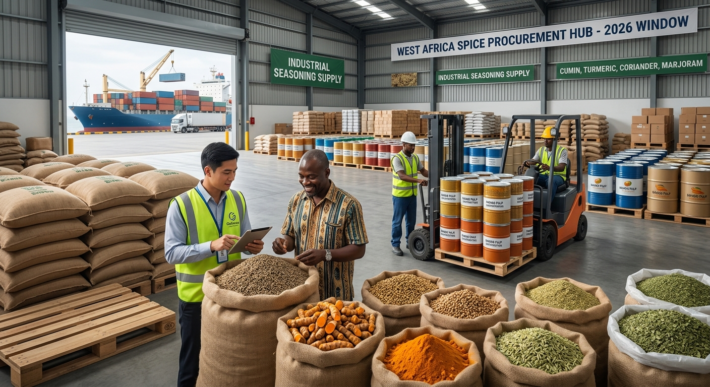
Supply Agricultural Raw Materials to Nigeria: 7 Essential 2026 Steps
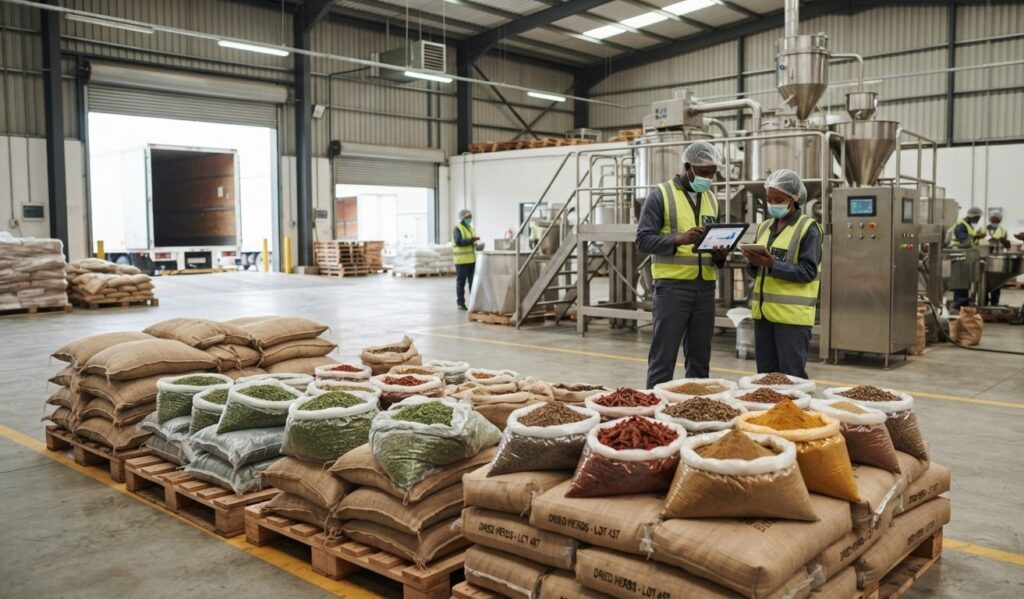
Supply agricultural raw materials to Nigeria immediately to fulfill one of West Africa’s most critical industrial food processing tenders. An urgent commercial procurement initiative has been officially launched by major industrial processing groups operating across Nigeria. This high-priority tender aims to secure high-volume shipments of essential dry ingredients—including aromatic herbs and sun-dried spices—to support expanded production lines for bouillon mix, savory seasoning blends, and dehydrated food products ahead of year-end demand surges.
As local inventories of premium aromatic herbs and sun-dried spices continue to decline, Nigerian manufacturing facilities face a significant supply-chain gap. International agricultural processors and exporters who act quickly during the official purchasing window running from September 25, 2026, to November 10, 2026 can lock in lucrative, high-volume supply agreements with leading West African manufacturers.
Strategic Market Overview: Nigeria’s Seasoning & Dehydrated Food Expansion
Nigeria’s fast-moving consumer goods (FMCG) and food processing sectors are experiencing massive output growth. To meet regional demand for packaged seasonings and quick-prep meal options, industrial processors are expanding factory output across multiple regional facilities.
Key Industrial Tender Overview
| Procurement Attribute | Technical & Commercial Specifications |
| Target Raw Materials | Aromatic Herbs, Sun-Dried Spices, Dehydrated Vegetables |
| Primary End Use | Bouillon Mixes, Seasoning Blends, Dehydrated Foods |
| Geographic Focus | Nigeria (Serving Broader West African Regional Markets) |
| Procurement Window | September 25, 2026 – November 10, 2026 (Urgent Delivery) |
| Primary Catalyst | Local stock depletion & factory capacity expansion |
7 Essential Steps to Supply Agricultural Raw Materials to Nigeria
Navigating industrial B2B food supply chains in West Africa requires strict adherence to international quality standards, rigorous phytosanitary compliance, and transparent trade practices.
+---------------------------------------------------------------+
|  1. Fast-Track Compliance to Supply Agricultural Raw Materials|
|     to Nigeria                                                |
+---------------------------------------------------------------+
                               |
                               v
+---------------------------------------------------------------+
|  2. Meet Strict Industrial Moisture & Purity Specifications  |
+---------------------------------------------------------------+
                               |
                               v
+---------------------------------------------------------------+
|  3. Fast-Track Analytical Samples & Certificates (CoA)        |
+---------------------------------------------------------------+
                               |
                               v
+---------------------------------------------------------------+
|  4. Utilize Protective Bulk Packaging for Maritime Freight    |
+---------------------------------------------------------------+
                               |
                               v
+---------------------------------------------------------------+
|  5. Optimize Port Logistics into Nigerian Industrial Centers  |
+---------------------------------------------------------------+
                               |
                               v
+---------------------------------------------------------------+
|  6. Submit Bids Prior to the November 10 Closing Date         |
+---------------------------------------------------------------+
                               |
                               v
+---------------------------------------------------------------+
|  7. Partner Directly with Verified Manufacturers via Globtrade|
+---------------------------------------------------------------+
1. Fast-Track Compliance to Supply Agricultural Raw Materials to Nigeria
To supply agricultural raw materials to Nigeria without clearance holds, global suppliers must ensure all plant products meet global agricultural sanitation standards. Shipments must carry valid phytosanitary certificates, non-GMO documentation, and pesticide residue inspection reports. Exporters can verify international agricultural safety protocols published by the World Trade Organization Plant Health Standards to facilitate seamless border processing at ports of entry.
2. Meet Strict Industrial Moisture and Purity Specifications
Industrial seasoning plants enforce exact technical parameters to ensure taste consistency and preserve shelf life:
-
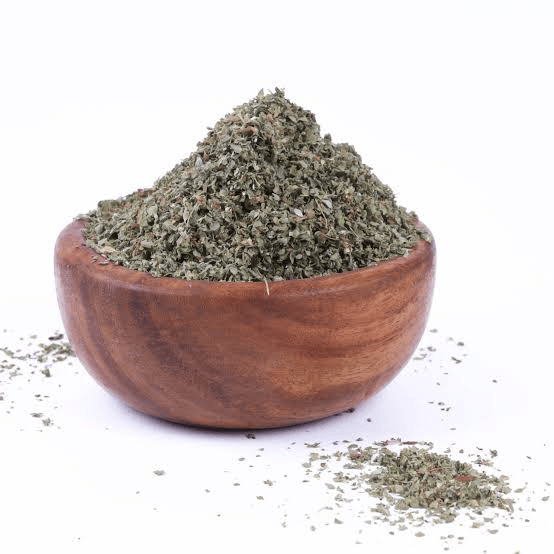
Aromatic Herbs: Whole or clean-cut dried leaves with high essential oil levels, minimal stem content, and moisture levels kept strictly below 10%.
-
Sun-Dried Spices: Deep natural color, uniform mesh size for ground items, and zero foreign matter contamination.
3. Fast-Track Analytical Samples & Certificates (CoA)
Industrial food processors in Nigeria require batch-specific Certificates of Analysis (CoA) prior to raw material integration. Providing certified laboratory analysis covering microbiology, moisture levels, and purity accelerates sample approvals and speeds up contract award timelines.
4. Utilize Protective Bulk Packaging for Maritime Freight
Shipping delicate dried ingredients through humid sea routes requires protective industrial packaging. Bulk orders should be secured in multi-wall, poly-lined paper bags or heavy-duty polypropylene woven bags with moisture-barrier liners to maintain product aroma and prevent clumping.
5. Optimize Port Logistics into Nigerian Industrial Centers
Direct sea transport into key commercial ports—such as Apapa or Tin Can Island in Lagos—is critical. Booking container space with reliable shipping lines early prevents dockside delays and ensures prompt delivery to regional processing plants.
6. Submit Bids Prior to the November 10 Closing Date
Operating within the tight tender schedule closing on November 10, 2026, is essential for global ingredient firms aiming to supply agricultural raw materials to Nigeria before Q4 manufacturing runs begin. Manufacturing units need guaranteed inventory arrival to keep packaging lines operational through Q4.
7. Partner Directly with Verified Manufacturers via Globtrade
Bypassing intermediary trading layers allows global producers to offer competitive wholesale pricing while establishing direct, secure commercial agreements with accredited Nigerian food processing groups.
Frequently Asked Questions (B2B Procurement)
Why is there an urgent tender to supply agricultural raw materials to Nigeria right now?
The tender was launched due to a major expansion of bouillon mix and dehydrated food production lines in Nigerian plants, combined with a sharp decrease in local stocks of dried spices and herbs needed to sustain output before year-end.
What quality standards apply when you supply agricultural raw materials to Nigeria?
When companies supply agricultural raw materials to Nigeria, all ingredients must be clean, correctly dried, and accompanied by valid phytosanitary certificates and CoA documents verifying low moisture content, high aromatic oil levels, and compliance with heavy metal limits.
Connect with Verified Importers Today
Do not miss this high-value commercial opportunity to supply agricultural raw materials to Nigeria before the official purchasing window closes on November 10, 2026. Access direct tender specifications, trade documentation support, and verified buyer contacts through our secure platform.