Supply Medicinal Plants to Nigeria: 7 Successful B2B Tips for 2026
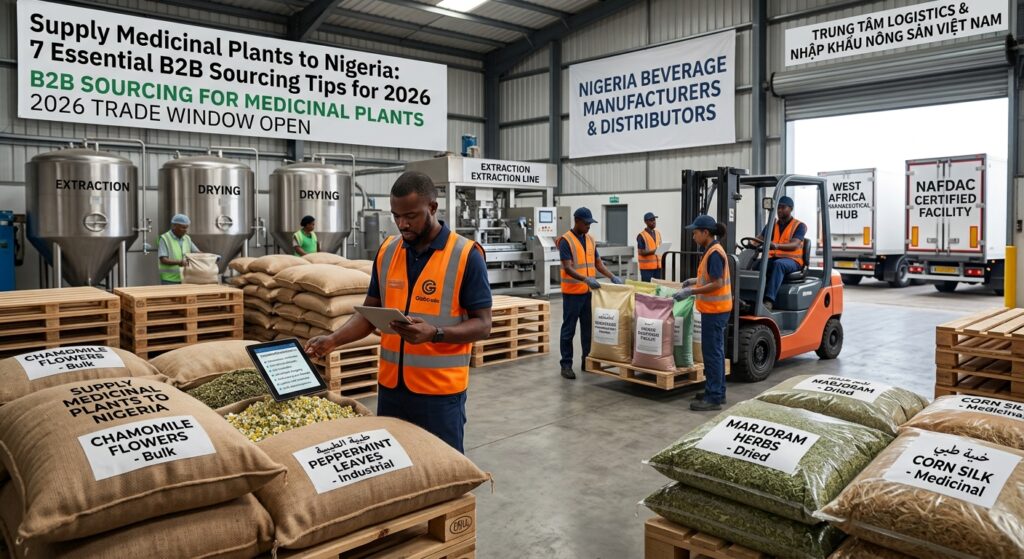
Supply medicinal plants to Nigeria immediately to capitalize on a high-value procurement initiative within West Africa’s pharmaceutical and nutraceutical manufacturing industries. A major request for proposals (RFP) has officially opened to update the approved vendor list for natural ingredients, botanical extracts, and therapeutic herbs. Leading pharmaceutical firms and dietary supplement manufacturers across Nigeria and Southwest Africa are expanding their production lines for herbal remedies, wellness teas, and therapeutic foods to meet escalating regional healthcare demand.
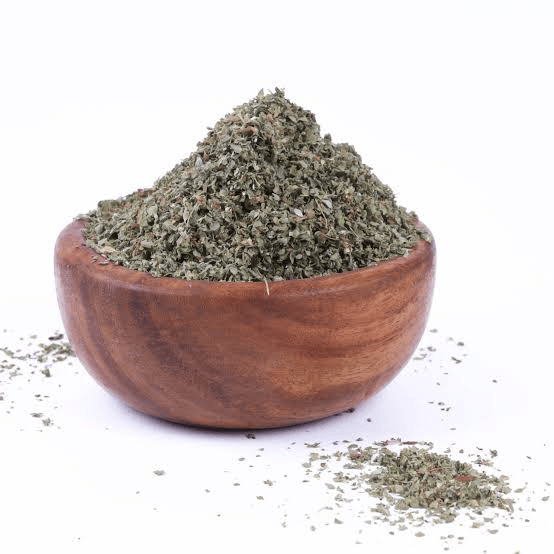
Because domestic agricultural output cannot fulfill the stringent purity and volume requirements of modern medicine plants, Nigerian pharmaceutical processors face a critical deficit of raw materials. Overseas suppliers specializing in high-purity dried chamomile flowers, peppermint and spearmint leaves, marjoram, and corn silk have a prime opportunity to secure long-term commercial contracts during the official purchasing window running from October 1, 2026, to November 10, 2026.
Strategic Market Overview: Nigeria’s Nutraceutical Boom
Nigeria’s pharmaceutical sector is rapidly diversifying toward natural health products and botanical extracts. Local pharmaceutical manufacturers are actively restructuring their raw material supply chains to ensure uncompromised quality and continuous output.
Key RFP Procurement Overview
| Attribute | Technical & Commercial Requirements |
| Target Raw Materials | Dried Chamomile Flowers, Peppermint/Spearmint Leaves, Marjoram, Corn Silk |
| Primary Industry | Pharmaceutical Processors & Dietary Supplement Manufacturers |
| Geographic Target | Nigeria & Southwest Africa Regional Distribution |
| Procurement Window | October 1, 2026 – November 10, 2026 (Urgent Delivery) |
| Market Catalyst | Acute local deficit & expanding herbal medicine production lines |
7 Steps to Supply Medicinal Plants to Nigeria Successfully
Entering West Africa’s pharmaceutical supply chain requires strict adherence to international quality standards, rigorous phytosanitary compliance, and transparent trade practices.
+---------------------------------------------------------------+
|  1. Verify International Pharmacopeia & Quality Standards     |
+---------------------------------------------------------------+
                               |
                               v
+---------------------------------------------------------------+
|  2. Meet Strict Purity, Moisture, & Essential Oil Levels     |
+---------------------------------------------------------------+
                               |
                               v
+---------------------------------------------------------------+
|  3. Fast-Track Technical Analytical Certificates (CoA)       |
+---------------------------------------------------------------+
                               |
                               v
+---------------------------------------------------------------+
|  4. Implement Aseptic Packaging for Tropical Transit          |
+---------------------------------------------------------------+
                               |
                               v
+---------------------------------------------------------------+
|  5. Optimize Port Logistics into Commercial Hubs             |
+---------------------------------------------------------------+
                               |
                               v
+---------------------------------------------------------------+
|  6. Lock in Tenders Before the November 10 Deadline           |
+---------------------------------------------------------------+
                               |
                               v
+---------------------------------------------------------------+
|  7. Partner Directly with Verified Buyers via Globtrade       |
+---------------------------------------------------------------+
1. Fast-Track International Regulations to Supply Medicinal Plants to Nigeria
To supply medicinal plants to Nigeria without regulatory hurdles, international exporters must ensure all botanical consignments satisfy global hygiene standards. Shipments must carry official phytosanitary certificates, non-GMO declarations, and pesticide residue test reports. Exporters can reference international agricultural quality benchmarks maintained by the World Health Organization Guidelines on Good Agricultural Practices to facilitate fast destination customs clearance.
2. Meet Strict Purity, Moisture, and Essential Oil Levels
Pharmaceutical packaging plants enforce rigorous laboratory inspection parameters before accepting raw botanical batches:
-
Chamomile & Mint Leaves: Whole flower heads and clean-cut leaves free of stem debris, with moisture levels strictly controlled below 10% to prevent fungal growth during sea transport.
-
Marjoram & Corn Silk: High aromatic oil yield, uniform color retention, and zero heavy metal or microbial contamination.
3. Fast-Track Technical Analytical Certificates (CoA)
Nigerian pharmaceutical buyers require batch-specific Certificates of Analysis (CoA) for immediate laboratory verification. Providing comprehensive documentation detailing active ingredient concentrations accelerates procurement approvals and contract execution.
4. Implement Aseptic Packaging for Tropical Transit
Shipping delicate botanical goods into tropical environments requires protective packaging. Bulk shipments should be packed in multi-wall, moisture-resistant paper bags with inner food-grade polyethylene liners or vacuum-sealed bales to preserve essential oil volatile compounds.
5. Optimize Port Logistics into Commercial Hubs
Direct maritime transport into primary West African logistical entry points—such as the Port of Lagos (Apapa/Tin Can Island)—is crucial. Locking in refrigerated or dry container space early prevents delays at regional distribution hubs serving Southwest Africa.
6. Lock in Tenders Before the November 10 Deadline
Meeting the tight purchasing window closing on November 10, 2026, is critical for global botanical suppliers aiming to supply medicinal plants to Nigeria. Manufacturing facilities must secure raw ingredient stocks before Q4 manufacturing runs begin.
7. Direct Engagement with Verified Importers
Eliminating intermediary traders allows international producers to offer competitive B2B wholesale pricing while establishing direct, secure payment channels with accredited West African pharmaceutical companies.
Frequently Asked Questions (B2B Sourcing)
Why is there an urgent demand to supply medicinal plants to Nigeria right now?
The demand is driven by the rapid expansion of dietary supplement and herbal medicine manufacturing lines in Nigeria. A critical domestic shortage of high-purity herbs like chamomile, mint, and marjoram threatens to halt factory operations if imports are not secured immediately.
What quality standards are required when you supply medicinal plants to Nigeria?
Botanical products must be clean, correctly dried, and accompanied by valid phytosanitary certificates and CoA documentation verifying low moisture content, high essential oil yield, and compliance with heavy metal limits.
Connect with Verified Buyers Today
Do not miss this high-value commercial opportunity to supply medicinal plants to Nigeria before the official sourcing window closes. Access verified buyer contacts and trade documentation support through our secure platform.