Supply Spices to Ghana: 7 Proven B2B Sourcing Strategies for 2026
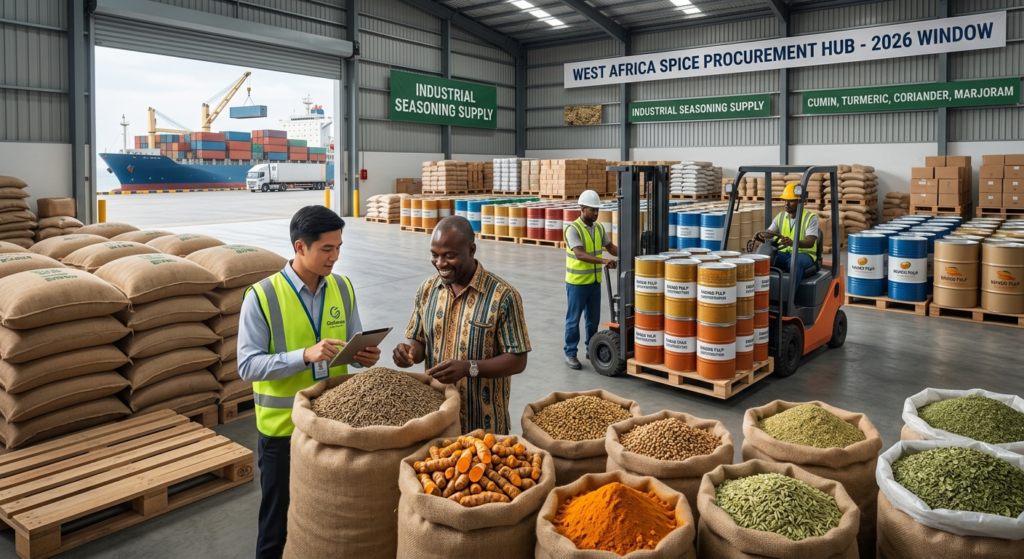
Supply spices to Ghana immediately to capitalize on a massive surge in West Africa’s commercial food manufacturing and industrial seasoning market. A major procurement request has officially been issued by mid-sized importers, regional wholesalers, and food processors across Ghana and neighboring Côte d’Ivoire. This urgent tender seeks high-volume shipments of premium dried herbs, ground spices, and whole spices—including cumin seeds, dried coriander, black cumin, marjoram, fennel, and turmeric—to support rapidly expanding food processing, meat processing, and ready-to-eat food production lines.
Because key agricultural ingredients such as cumin, coriander, and marjoram cannot be cultivated locally due to West Africa’s tropical climate, regional manufacturers face a persistent raw material deficit. Global exporters who act swiftly during the official purchasing window running from September 20, 2026, to November 10, 2026 can secure lucrative long-term supply agreements.
Strategic Market Overview: West Africa’s Rising Spice Demand
The rapid expansion of the HORECA (Hotel, Restaurant, and Catering) sector alongside industrial food processing facilities in Accra and Kumasi has created an unprecedented need for bulk raw ingredients.
Procurement Tender Specifications
| Attribute | Technical & Commercial Requirements |
| Primary Products | Cumin Seeds, Dried Coriander, Black Cumin, Marjoram, Fennel, Turmeric |
| Target Audience | Mid-Sized Importers, Wholesalers, & Industrial Meat Processors |
| Geographic Scope | Ghana (with cross-border distribution to Côte d’Ivoire) |
| Procurement Window | September 20, 2026 – November 10, 2026 |
| Key Market Driver | Regional agricultural deficit & expanding ready-to-eat food sector |
7 Essential Steps to Supply Spices to Ghana Successfully
To successfully enter this lucrative market and fulfill industrial procurement contracts, B2B spice suppliers must adhere to strict international food safety standards and efficient export protocols.
+---------------------------------------------------------------+
|  1. Fast-Track Phytosanitary & Food Safety Clearances          |
+---------------------------------------------------------------+
                               |
                               v
+---------------------------------------------------------------+
|  2. Meet Specific Industrial Moisture & Purity Standards      |
+---------------------------------------------------------------+
                               |
                               v
+---------------------------------------------------------------+
|  3. Package for Tropical Humidity & Maritime Transit          |
+---------------------------------------------------------------+
                               |
                               v
+---------------------------------------------------------------+
|  4. Capitalize on Regional Agricultural Cultivation Gaps      |
+---------------------------------------------------------------+
                               |
                               v
+---------------------------------------------------------------+
|  5. Align Port Logistics with Tema & Takoradi Harbors         |
+---------------------------------------------------------------+
                               |
                               v
+---------------------------------------------------------------+
|  6. Lock in Orders Before the November 10 Deadline             |
+---------------------------------------------------------------+
                               |
                               v
+---------------------------------------------------------------+
|  7. Partner Directly with Verified Importers via Globtrade     |
+---------------------------------------------------------------+
1. Fast-Track Phytosanitary and Food Safety Clearances
To supply spices to Ghana without customs delays, all agricultural shipments must comply with international food hygiene regulations. Shipments require valid phytosanitary certification, fumigation certificates, and strict adherence to pesticide residue limits. Exporters can reference global food quality frameworks provided by the Food and Agriculture Organization (FAO) Standards to ensure full destination clearance.
2. Meet Specific Industrial Moisture and Purity Standards
Industrial seasoning plants in West Africa enforce strict laboratory parameters to ensure processing quality:
-
Cumin Seeds & Coriander: High essential oil content, minimum 99% purity levels, and moisture content controlled below 10% to prevent mold growth during sea freight.
-
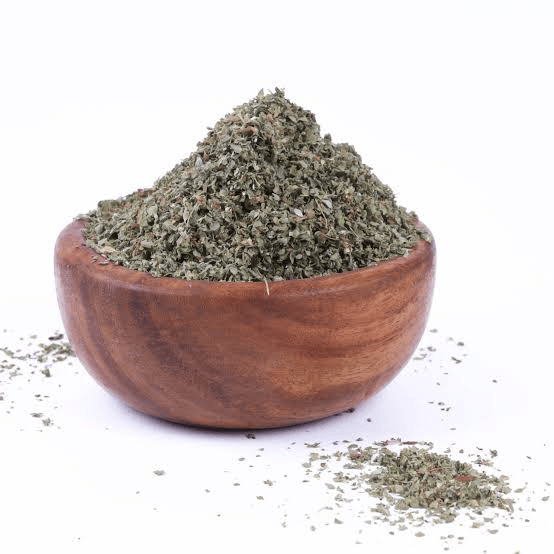
Turmeric & Marjoram: High curcumin levels for rich coloring, uniform grinding caliber, and zero foreign matter contamination.
3. Package for Tropical Humidity and Maritime Transit
West Africa’s high humidity requires resilient packaging solutions. Bulk orders must be shipped in multi-layer polypropylene (PP) woven bags with inner polyethylene liners or heavy-duty burlap sacks to preserve aroma, prevent moisture absorption, and protect against pest infestation during transit.
4. Capitalize on Regional Agricultural Cultivation Gaps
Because essential crops like cumin, marjoram, and fennel require temperate Mediterranean or dry subtropical climates, local Ghanaian production is nonexistent. Exporters from established spice-producing regions can leverage this structural supply gap to establish high-margin commercial trade relationships.
5. Align Port Logistics with Tema and Takoradi Harbors
Efficient maritime freight shipping directly into Ghana’s primary maritime hubs—Tema Port and Takoradi Port—is essential. Securing FCL (Full Container Load) bookings early ensures seamless delivery to central industrial zones in Accra and regional distribution channels into Côte d’Ivoire.
6. Lock in Orders Before the November 10 Deadline
With the purchasing window set between September 20, 2026, and November 10, 2026, time is a critical operational factor. Processing plants need guaranteed raw material allocations to maintain uninterrupted factory production throughout Q4 and the early 2027 season. Exporters should submit formal contract tenders and sample analysis reports immediately.
7. Direct Engagement with Verified Importers
Bypassing unnecessary intermediary traders allows global suppliers to offer competitive wholesale pricing while ensuring direct payment guarantees from established West African food processors.
Frequently Asked Questions (B2B Procurement)
Why is there an urgent need to supply spices to Ghana right now?
The demand is driven by rapid growth in Ghana and Côte d’Ivoire’s food processing, meat seasoning, and ready-to-eat sectors. Combined with a total lack of local cultivation for spices like cumin, coriander, and marjoram, food factories rely entirely on international imports.
What are the main products requested in this procurement window?
Importers are actively sourcing bulk quantities of whole cumin seeds, ground and whole dried coriander, black cumin, dried marjoram, fennel seeds, and high-curcumin turmeric.
Connect with Verified Buyers Today
Do not miss this high-value trade opportunity to supply spices to Ghana before the purchasing window closes on November 10, 2026. Access direct verified importer requests, trade documentation support, and buyer contacts through our dedicated portal.