Citrus and Herbs B2B Sourcing: Urgent 2026 RFP Guide
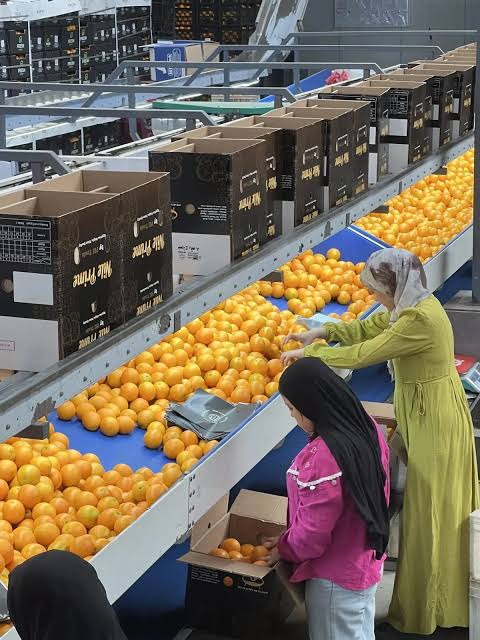
Citrus and herbs B2B sourcing operations across Europe have entered a critical procurement phase following an official Request for Proposals (RFP) launch. Commercial buyers, food processing plants, and supermarket distribution groups are urgently seeking direct supply partnerships to mitigate an immediate yield deficit. Alongside this procurement drive, an updated Supplier Specifications Manual (2026/2027) has been published to set updated physical, residue, and phytosanitary parameters for international suppliers.
ecure your export allocations immediately: uncommitted commercial volumes of fresh citrus and culinary herbs are being rapidly contracted by European supermarket chains racing to fulfill pre-autumn shelf-space commitments.
This emergency procurement initiative responds directly to a severe drop exceeding 18% in domestic European harvests and traditional import volumes from Southern Europe—primarily Spain and Italy. Prolonged early droughts and accelerating climate shifts have severely constrained Mediterranean yields. To protect supply chains from stockouts and maintain retail shelf stability during the high-demand autumn and peak holiday windows, procurement managers are opening spot and long-term contracts for global produce packhouses.
Key Procurement Timelines & RFP Milestones
International agricultural exporters, cold-storage operators, and commercial packhouses must structure their bidding timelines around the strict active purchasing window:
| Procurement Milestone | Official Target Date | Required Operational Action |
| Urgent RFP Purchasing Window Opens | September 15, 2026 | Technical dossier review & updated manual compliance check |
| Commercial Proposal Submission | October 01, 2026 | Quotation submission (FOB/CIF terms) & sample auditing |
| RFP Bidding & Deal Closing | October 15, 2026 | Final contract execution & reefer slot shipping lock |
| Peak Retail Delivery Cycle | Q4 2026 – Q1 2027 | High-volume distribution across European supermarket hubs |
Exporters executing a targeted citrus and herbs B2B sourcing strategy must complete technical compliance audits prior to the October 15, 2026 deadline to secure allocation slots.
1. Technical Standards in the 2026/2027 Supplier Specifications Manual
The newly released Supplier Specifications Manual (2026/2027) establishes stringent physical, organoleptic, and food safety standards to ensure raw agricultural inputs meet retail expectations:
Citrus Quality & Calibration Standards
-
Sizing & Grading: Oranges, lemons, and easy-peelers sorted to strict mm diameter classes (e.g., Caliber 1 to 6) with uniform skin coloration (> 90% full surface turn).
-
Juice & Brix Content: Minimum juice yield of 35% to 42% depending on variety; Brix levels specified at a minimum of 10.0° for sweet oranges and table mandarins.
-
Defect Tolerances: Maximum 1% to 2% allowance for minor surface blemishes (e.g., wind scarring); 0% tolerance for decay, creasing, or breakdown.
Culinary Herbs Quality & Hygiene Parameters
-
Freshness & Moisture: Fresh-cut basil, rosemary, thyme, and parsley packed under strict temperature control; maximum 1% surface moisture to prevent Botrytis rot.
-
Microbiological Safety: Total Viable Count (TVC) < 100,000 CFU/g, yeast/molds < 10,000 CFU/g, with zero tolerance for Salmonella or E. coli.
2. Bridging the 18% Southern European Production Deficit
Climate pressures in Spain and Italy have severely altered traditional supply dynamics, creating an urgent market opening for global agricultural suppliers:
[Southern European Climate Impact & Drought]
       │
       ▼ (Causes >18% Yield Shortfall)
[European Supermarket Chains & Food Distributors]
       │
       ▼ (Issues Emergency RFP & Updated Manual)
[Citrus and Herbs B2B Sourcing Exporters]
       │
       ▼ (Reefer Ocean Logistics & Air Freight)
[European Entry Gateways (Rotterdam / Antwerp / Hamburg)]
       │
       ▼ (Immediate Cold Store Transfer & Retail Delivery)
Establishing an organized citrus and herbs B2B sourcing pipeline guarantees direct transit from certified processing hubs to major European distribution centers. Utilizing temperature-controlled shipping prevents fruit dehydration and aroma loss in delicate herbs.
3. Regulatory Compliance & European Union Import Directives
Importing fresh agricultural commodities into European markets demands strict alignment with EU biosecurity regulations and chemical residue thresholds:
-
Maximum Residue Limits (MRLs): Full compliance with European Commission pesticide residue standards. Multi-residue screening (MRM) from ISO/IEC 17025 accredited labs must accompany each manifest.
-
Phytosanitary Certification: Mandatory origin phytosanitary inspection certificates verifying freedom from quarantine plant pests, including Citrus Canker and Black Spot.
-
Traceability & Packaging: Full GlobalG.A.P. or BRCGS certifications with clear pallet labeling displaying lot numbers, pack dates, and country of origin.
Official regulatory guidelines, plant health requirements, and import controls can be verified directly via the European Commission Plant Health Official Portal.
4. Cold Chain Logistics & Environmental Control Protocols
Proper environmental control during ocean and air transit is crucial to prevent physiological breakdown and extend retail shelf life:
-
Citrus Transit Temperature: Continuous reefer container holding temperatures set between 4°C and 8°C (depending on variety) with controlled fresh air ventilation (15–25 m³/hr).
-
Herbs Transit Temperature: Rapid pre-cooling (forced-air or hydro-cooling) maintained at 0°C to 2°C with 95% relative humidity to prevent wilt.
-
Packaging Solutions: High-ventilation corrugated cartons (10 kg / 15 kg for citrus) and modified atmosphere packaging (MAP) for delicate herbs.
Adhering to these strict transportation guidelines guarantees that your citrus and herbs B2B sourcing shipments arrive in prime condition for immediate store delivery.
5. Commercial Bidding & RFP Submission Checklist
Exporters planning to submit proposals for this urgent citrus and herbs B2B sourcing RFP must assemble a complete technical file before October 15, 2026.
Mandatory Dossier Documents:
-
Commercial Price Offer: Quote per Metric Ton or master carton on FOB origin port or CIF European port terms.
-
Technical Compliance Dossier: Manual acknowledgment, size grading reports, and laboratory pesticide test certificates.
-
Supply Capacity Schedule: Guaranteed weekly shipment allocations and confirmed vessel/carrier booking slots.
Final contract execution and procurement allocation for selected citrus and herbs B2B sourcing partners will conclude on October 15, 2026.
Ready to Supply? Connect Directly with Verified Importers on GlobTrade
Capitalize on this high-demand European fresh produce spot buy opportunity today. Register on our platform to get direct contact details for verified European procurement teams, wholesale buyers, and retail category managers.
 Click Here to Register and Submit Your Trade Quote Now