Citrus and Garlic B2B Export: 5 Proven Rules for Malaysia Spot Buy 2026
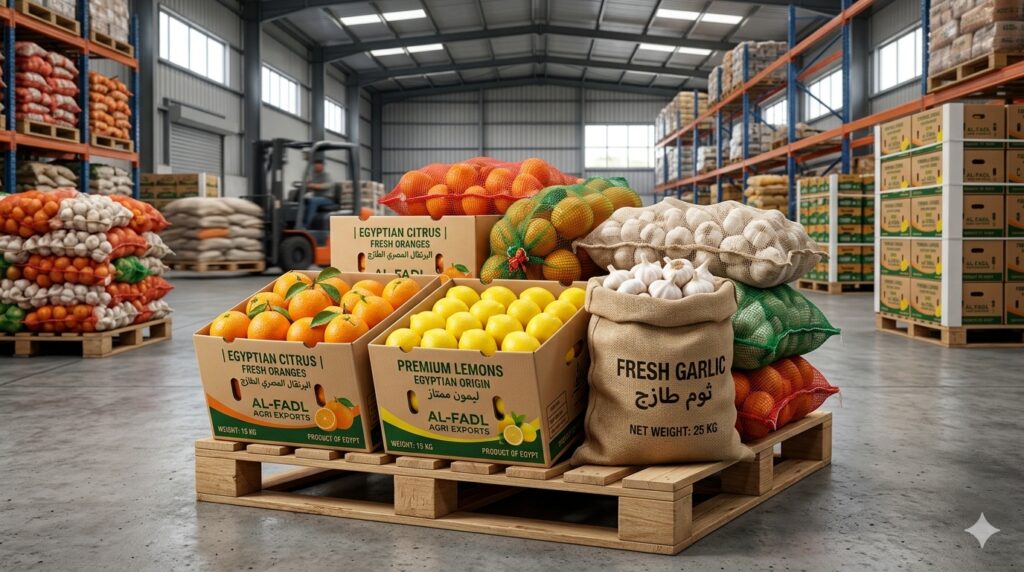
Citrus and garlic B2B export suppliers face an immediate, high-value commercial opportunity as an urgent spot procurement signal opens across the Malaysian retail sector. Driven by the critical need to stock over 80% of major retail and hypermarket branches across Selangor and the greater Kuala Lumpur region, commercial buyers are actively sourcing high-grade fresh produce. This urgent purchasing initiative specifically targets large-volume shipments of fresh oranges, lemons, and white garlic entering through Port Klang.
This sudden surge in procurement stems from a notable shortfall in local regional harvests combined with rising consumer demand ahead of peak sales seasons. Because Malaysian domestic production cannot fulfill retail shelf requirements, direct maritime imports are essential to prevent stockouts and preserve price stability. International exporters capable of supplying high-rigidity, export-grade agricultural commodities can capture immediate market share while building lasting regional B2B trade partnerships.
Key Procurement Timelines & Entry Gateways
Meeting strict operational timelines is mandatory for global suppliers entering this commercial round. Procurement directors operating through Port Klang and the Selangor Logistics Zone have established a clear schedule for sample evaluations, phytosanitary clearance, and contract execution.
| Procurement Phase | Key Date / Deadline | Operational Action Item |
| Proposal & Technical Submission | September 25, 2026 | Bids, specs & lab certificates due |
| Contract Finalization | September 29, 2026 | Deal closing & shipping schedule lock |
| Primary Entry Gateway | Port Klang (Selangor, Malaysia) | Direct maritime discharge & cold-chain transfer |
| Target Retail Outlets | Over 80% of Group Hypermarkets | Central distribution hubs & retail shelves |
Agri-export businesses executing a citrus and garlic B2B export strategy must coordinate container bookings and phytosanitary verifications to meet the September 25 deadline.
1. Technical Quality Specifications for Malaysian Retail Chains
To satisfy the strict firmness and presentation standards required by Malaysian retail networks and distribution centers, incoming produce consignments must strictly adhere to the following physical parameters:
Fresh Oranges and Lemons
-
Sizing & Grading: Oranges calibrated to standard count sizes (56–88 count); lemons sorted to 100–138 count Class I export grade.
-
Rind & Texture: Firm skin, high juice content (minimum 30–35% for lemons), and complete freedom from rind breakdown, thrips damage, or rot.
-
Brix Levels: Minimum 10–12° Brix for sweetness in orange varieties to ensure long shelf life after retail display.
Fresh White Garlic
-
Bulb Diameter: Calibrated to 5.0 cm – 6.5 cm white garlic bulbs with clean, intact outer skins.
-
Firmness & Moisture: Solid cloves, thoroughly cured, free from root regrowth, internal sprouting, or mold infestation.
2. Bridging the Malaysian Agricultural Supply Shortfall
The geographic climate and regional harvest shortfalls in Southeast Asia limit local citrus and garlic production, forcing reliance on structured maritime supply chains.
[Overseas Orchards & Packing Houses]
       │
       ▼ (Reefer Container / Ocean Shipping)
[Port Klang Logistics Zone (Selangor)]
       │
       ├────────────────────────┐
       ▼                        ▼
[Central Distribution Centers] [Regional Wholesale Markets]
       │                        │
       ▼                        ▼
[Hypermarket Outlets (>80%)]  [Kuala Lumpur Retail Racks]
Executing an organized citrus and garlic B2B export workflow enables global suppliers to stabilize Malaysian retail stock. Clearing shipments through Port Klang ensures rapid customs clearance, immediate reefer container plug-in, and fast road transfer to Selangor distribution hubs.
3. Malaysian Import Compliance & Phytosanitary Rules
Importing fresh produce into Malaysia requires full compliance with strict biosecurity, food safety, and plant protection regulations enforced by the Malaysian Plant Quarantine Department and food safety authorities:
-
Phytosanitary Certification: Official phytosanitary certificates issued by the exporting country’s agricultural authority, confirming freedom from regulated pests such as Mediterranean Fruit Fly (Ceratitis capitata).
-
Pesticide Residue MRLs: Strict adherence to Malaysian Food Regulations 1985 regarding Maximum Residue Limits (MRLs). Inspection reports from accredited ISO/IEC 17025 laboratories must accompany shipping manifests.
-
Packaging & Labeling: Sturdy corrugated cartons or mesh sacks with dual-language labeling (English and Bahasa Malaysia) showing harvest date, net weight, origin, and packer details.
Official regulatory mandates and import protocols for agricultural shipments into Malaysia can be reviewed directly via the Ministry of Agriculture and Food Security Malaysia Guidelines.
4. Cold Chain & Transit Temperature Protocols
Maintaining uninterrupted cold-chain conditions during maritime transit across equatorial trade routes is critical to prevent spoilage and weight loss:
-
Citrus Storage Conditions: Shipped in specialized reefer containers held at 4°C to 7°C with relative humidity managed at 85–90% to prevent peel dehydration.
-
Garlic Chilling Requirements: Maintained at precise temperatures of -1°C to 0°C with 65–70% relative humidity to prevent root emergence and fungal breakdown.
-
Pre-Cooling: Mandatory forced-air pre-cooling down to target pulp temperature prior to container loading.
Following these rigorous preservation protocols guarantees that your citrus and garlic B2B export shipment maintains optimum firmness upon arrival in Kuala Lumpur.
5. Commercial Proposal Submission Checklist
Global agricultural suppliers planning to participate in this citrus and garlic B2B export spot buy opportunity must complete their submission package prior to September 25, 2026.
Mandatory Dossier Components:
-
Commercial Offer: Price per Metric Ton or per carton (FOB origin port or CIF Port Klang terms).
-
Technical Product Datasheet: Size counts, bulb diameter, Brix measurements, and packaging specs.
-
Inspection & Quality Certificates: Phytosanitary clearance and lab reports for pesticide residue screening.
-
Shipping & Capacity Schedule: Guaranteed vessel loading dates and monthly volume availability.
Final contract execution and deal closing for selected citrus and garlic B2B export partners will take place on September 29, 2026.
Ready to Supply? Connect Directly with Verified Importers on GlobTrade
Capitalize on this high-demand Malaysian spot buy opportunity today. Register on our platform to get direct contact details for verified Middle Eastern and Asian procurement teams, hypermarkets, and retail buyers.
 Click Here to Register and Submit Your Trade Quote Now