Procure Strategic Stock for Produce: 5 Proven B2B Sourcing Strategies in 2026
When international food procurement managers need to procure strategic stock for produce ahead of high-demand retail windows, established regional supply routes can suddenly fail under climate pressure. Unprecedented summer heatwaves and ongoing climate volatility across Southern Europe and France have led to severe crop production shortfalls, particularly affecting yellow onions and white garlic yields.
To prevent systemic stockouts across daily supply contracts for European supermarket chains and restaurant networks, commercial procurement teams must execute fast, decisive import adjustments. The designated buying window runs strictly from September 25, 2026, to October 25, 2026. Securing reliable alternative agricultural supply channels during this 30-day timeframe is vital to stabilizing contract prices and guaranteeing wholesale fulfillment.
1. The 2026 European Fresh Produce Shortfall Overview
Climate shifts across Southern European agricultural hubs have reduced harvest volumes for fundamental kitchen staples. Extended heatwaves in key growing regions across France, Spain, and Italy damaged bulb developments during critical growth stages, causing significant supply gaps.
| Market Metric | Status & Impact Details |
| Affected Commodities | Yellow Onions and White Garlic |
| Primary Impact Zones | Southern Europe and France |
| Core Drivers | Summer Heatwaves & Climate Instability |
| Downstream Risk | Failure to fulfill daily supply contracts for supermarkets |
| Strategic Window | September 25, 2026 – October 25, 2026 |
Because yellow onions and white garlic represent essential foundational inventory for commercial food services, European buyers must source from non-EU farming origins that maintain surplus capacity and stable export pipelines.
2. Key Timeline to Procure Strategic Stock for Produce
Navigating seasonal crop deficits requires absolute precision regarding procurement deadlines. Wholesalers and agricultural commodity buyers must execute their supply procurement according to a strict schedule to lock in cold-chain logistics.
-
Phase 1: RFQ Issuance (Sept 25 – Oct 02, 2026) — Issue international requests for quotation (RFQs) to procure strategic stock for produce and review verified supplier phytosanitary compliance records.
-
Phase 2: Grade & Spec Verification (Oct 03 – Oct 10, 2026) — Confirm bulb size, dry matter ratios, and grading standards for yellow onions and white garlic.
-
Phase 3: Contract Finalization (Oct 11 – Oct 20, 2026) — Lock in fixed B2B contract pricing and allocate temperature-controlled container shipments.
-
Phase 4: Order Dispatch & Delivery (Oct 21 – Oct 25, 2026) — Finalize ocean transit arrangements to establish the required autumn and winter strategic reserves.
Adhering strictly to this timeline prevents exposure to volatile spot-market price spikes during the peak winter sales months.
3. Five Proven Strategies for B2B Food Procurement
To protect your organization from contract defaults when you plan to procure strategic stock for produce, implement these core supply chain strategies during this buying window:
-
Diversify Origin Sourcing: Expand your supplier network toward key agricultural exporting nations in North Africa and the Middle East, such as Egypt, which maintain high-yielding onion and garlic output.
-
Audit Phytosanitary Standards: Verify that incoming shipments comply fully with international food safety rules established by authorities like the FAO (Food and Agriculture Organization) to avoid port custom delays.
-
Implement Multi-Modal Cold-Chain Storage: Ensure transport containers maintain controlled atmospheric parameters ($0^\circ\text{C}$ to $2^\circ\text{C}$ with 65–70% relative humidity) to extend shelf life through winter.
-
Establish Long-Term Price Locks: Structure fixed-rate purchase contracts during the open window to hedge against rising freight rates and currency fluctuations.
-
Utilize Verified B2B Trade Networks: Rely on accredited international trade platforms to verify buyer creditworthiness and supplier export certifications before transferring deposits.
4. Operational Specifications for Onions and Garlic Imports
When acquiring replacement stock, B2B buyers who need to procure strategic stock for produce must enforce strict quality standards to guarantee long-term storage viability throughout autumn and winter.
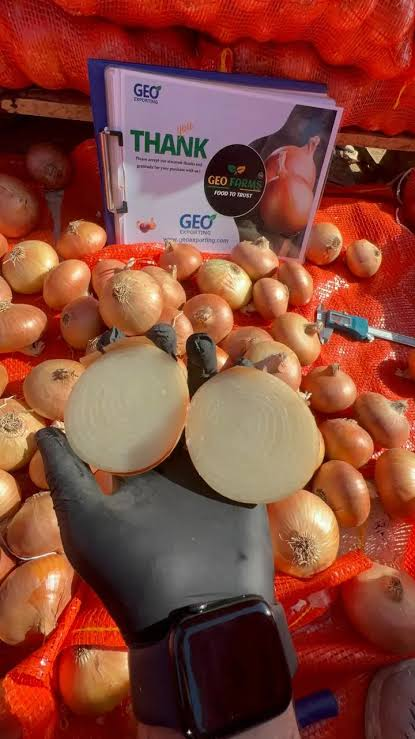
Yellow Onions Quality Benchmarks
-
Sizing: $50\text{mm} – 80\text{mm}+$ sorted diameter.
-
Skin & Firmness: Firm outer skin, dry layers, zero root shoots or mold.
-
Packaging: 10kg, 25kg mesh bags or jumbo bulk bags.
White Garlic Quality Benchmarks
-
Sizing: $50\text{mm} – 65\text{mm}+$ uniform heads.
-
Purity & Moisture: Clean white skin, tight cloves, properly dried roots.
-
Packaging: 5kg/10kg cartons or mesh bags.
5. Summary and Next Steps for B2B Buyers
Securing bulk agricultural inventory during times of regional supply deficit requires early contract execution. When enterprise buyers move early to procure strategic stock for produce between September 25 and October 25, 2026, they can fulfill all supermarket and restaurant commitments without margin erosion.
Connect with Trusted Global Suppliers on Globtrade
Looking to procure strategic stock for produce like high-quality yellow onions, white garlic, and fresh agricultural commodities for your autumn and winter reserves?