Citrus and Tropical Fruits Imports: 5 Key Steps for 2026
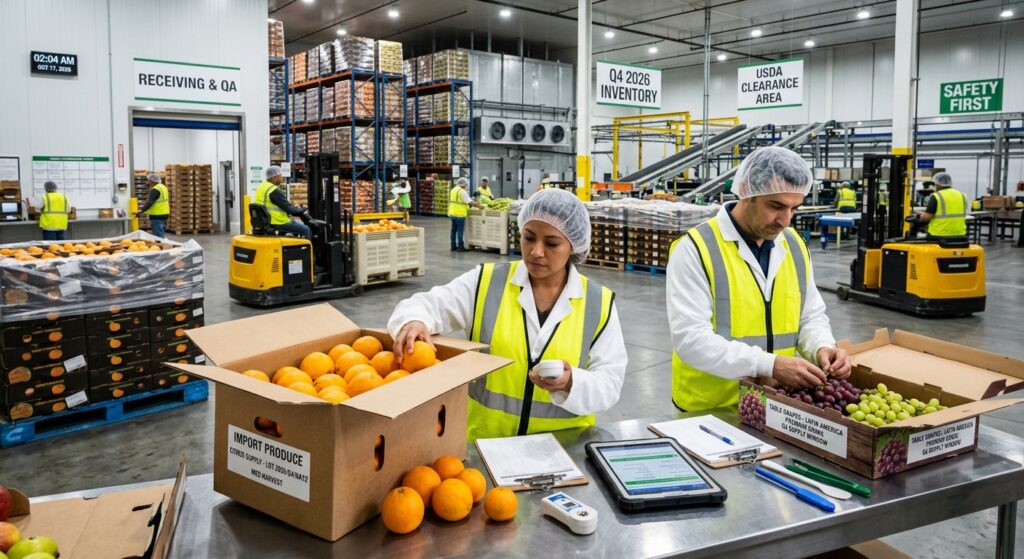
Urgent citrus and tropical fruits imports programs have been officially launched by a premier food distribution corporation to bridge the critical winter supply gap across North American central markets and retail networks. This accelerated sourcing campaign addresses severe domestic production shortfalls across Florida and California, where extreme weather and prolonged droughts have constrained local citrus and grape yields while altering fruit size distributions.
To satisfy binding annual supply contracts with retail giants such as Walmart and Kroger, importers are actively sourcing high-quality fresh produce from Mediterranean and Latin American agricultural basins. According to operational market analysis from the USDA Foreign Agricultural Service and trade price updates published in the Produce Blue Book, international growers and packing houses must complete tender submissions for the supply window running from October 15, 2026, to December 15, 2026.
Market Dynamics: Overcoming North American Harvest Shortfalls
National supermarket chains and wholesale terminal buyers require reliable ocean consignments of sweet oranges, easy-peel mandarins, fresh table grapes, and tropical varieties. Securing import allocations prevents contractual default penalties, safeguards shelf positioning, and stabilizes wholesale price structures during the high-volume holiday shopping period.
Core Procurement Metrics & Tender Specifications
| Sourcing Parameter | B2B Commercial & Technical Details |
| Primary Commodities | Fresh Oranges, Mandarins, Table Grapes & Tropical Fruits |
| Target Buyers | Central Wholesale Terminals & National Retailers (Walmart, Kroger) |
| Sourcing Window | October 15, 2026 – December 15, 2026 (Urgent Program) |
| Primary Sources | Mediterranean Basin & Latin American Agricultural Exporters |
| Compliance Standards | USDA Quality Standards, Phytosanitary Clearances, FDA Safety Guidelines |
5 Steps to Execute Citrus and Tropical Fruits Imports
Global agricultural suppliers, commercial orchards, and produce export houses must align their sizing consistency, cold-chain preservation, and biosecurity documentation with strict U.S. retail benchmarks.
1. Fast-Track Biosecurity and Import Clearances
To facilitate citrus and tropical fruits imports without experiencing port holds, exporters must comply with federal plant health regulations. Consignments require official Phytosanitary Certificates proving freedom from quarantine pests like fruit flies. International suppliers can verify import rules and food safety guidelines established by the U.S. Food and Drug Administration (FDA) and USDA inspection services.
2. Guarantee Strict Physical Sizing, Brix, and Grade Standards
U.S. retail programs enforce strict quality specifications to preserve consumer brand loyalty:
-
Fresh Citrus (Oranges & Mandarins): Minimum juice content of 35%–40%, balanced Brix levels (10°–13°), and uniform size counts in standard cartons.
-
Tropical Fruits & Grapes: Firm flesh integrity, high sugar content, unblemished skin finish, and zero mechanical bruising from automated sorting lines.
3. Implement Advanced Cold-Chain Protection
Preserving freshness during ocean transit from Mediterranean and Latin American ports requires precise atmospheric controls:
-
Temperature Management: Continuous reefer cooling maintained between 1°C and 4°C depending on commodity protocols, with relative humidity held at 85%–90%.
-
Controlled Atmosphere (CA): Optimized oxygen and carbon dioxide levels inside reefer containers to slow respiration and extend shelf life.
4. Optimize Container Scheduling for Priority Port Discharge
Due to high vessel traffic during Q4, exporters must coordinate with ocean carriers to secure priority reefer plugs and expedited customs clearance at major U.S. ports of entry.
5. Finalize B2B Supply Contracts Prior to December 15, 2026
Agricultural producers seeking guaranteed import quotas must submit batch inspection sheets, phytosanitary certifications, and competitive CIF pricing before the December 15, 2026 cutoff date.
Frequently Asked Questions (B2B Produce Sourcing)
Why are urgent citrus and tropical fruits imports required in Q4 2026?
Adverse weather and drought conditions in California and Florida reduced local harvests, creating a supply deficit that must be filled by imports to meet binding supermarket contracts.
What quality certifications are mandatory for U.S. produce imports?
Suppliers must present valid Phytosanitary Certificates, USDA Grade verification, GLOBALG.A.P. accreditation, and third-party Certificate of Analysis (CoA) reports for pesticide residues.
Connect with Verified Buyers and Importers Today
Capitalize on this high-volume commercial opportunity for citrus and tropical fruits imports before the sourcing window closes on December 15, 2026. Register on Globtrade to access direct buyer RFQs, submit export tenders, and lock in long-term supply agreements with accredited international distributors.
Register with Globtrade to Connect with the Importer Now
💬 Do you need immediate assistance regarding the details of the export opportunity? Contact the GlobTrade support team via WhatsApp.