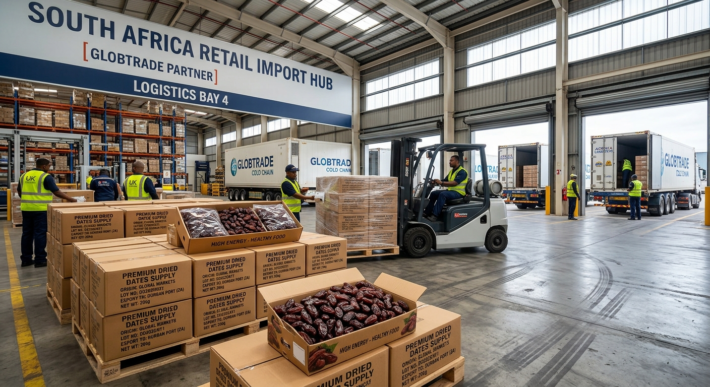
Citrus and Easy-Peel Varieties Procurement: 5 Essential Steps
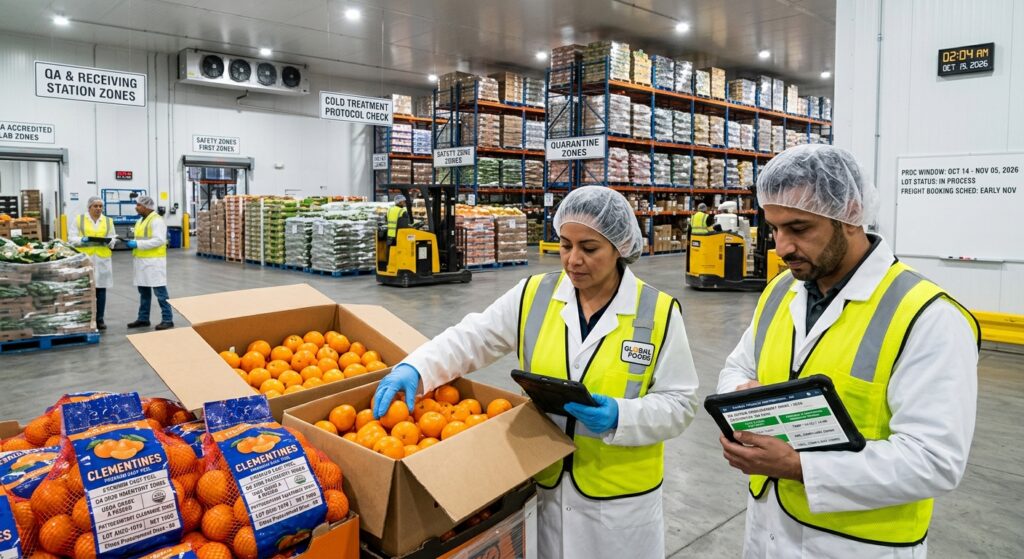
An urgent citrus and easy-peel varieties procurement drive has been officially initiated by a major North American distribution enterprise to secure emergency and seasonal fruit shipments. This emergency sourcing program addresses an acute early-season deficit caused by a projected 10% decline in domestic tangerine yields alongside depleting early-season orange reserves across major U.S. distribution networks.
With mid-November kicking off the peak late-autumn and Christmas holiday shopping rush in the U.S. retail sector, any ocean freight booking delay risks escalating spot container transport costs by more than 35%. Market volatility assessments published by Rabobank and the USDA Economic Research Service (ERS) confirm an active emergency procurement window open from October 14, 2026, to November 5, 2026. International exporters can cross-reference import compliance guidelines through the U.S. Food and Drug Administration (FDA).
Market Dynamics: Closing the U.S. Seasonal Citrus Supply Gap
U.S. supermarket chains and wholesale fruit distributors require immediate, high-volume deliveries of easy-peel clementines, mandarins, and fresh juicing oranges. Securing early import allocations enables international growers and packhouses to bypass surging spot freight tariffs, secure priority reefer container space, and lock in guaranteed retail shelf placement ahead of peak holiday demand.
Core Procurement Metrics & Tender Specifications
| Sourcing Parameter | B2B Commercial & Technical Details |
| Primary Commodities | Easy-Peel Mandarins, Clementines, & Fresh Navel Oranges |
| Target Distribution | U.S. Supermarket Chains & Regional Wholesale Hubs |
| Sourcing Window | October 14, 2026 – November 5, 2026 (Emergency Program) |
| Market Intelligence | USDA Economic Research Service (ERS) & Rabobank Reports |
| Compliance Standards | USDA Grade A, APHIS Phytosanitary Clearances, FDA Guidelines |
5 Essential Steps in Citrus and Easy-Peel Varieties Procurement
Global citrus producers, commercial packhouses, and international fruit exporters must align their post-harvest curing, sizing standards, and maritime cold-chain protocols with strict U.S. market standards.
1. Guarantee Strict Compliance with USDA and FDA Phytosanitary Rules
Executing citrus and easy-peel varieties procurement contracts without port detentions requires full accreditation under USDA APHIS plant health protocols. Consignments must carry valid Phytosanitary Certificates verifying origin traceability, pest-free status, and compliance with federal entry regulations monitored by the U.S. Food and Drug Administration (FDA).
2. Enforce Strict Physical Sizing and High Sugar Consistency
American retail consumers demand high visual and flavor standards for holiday fruit selections:
-
Easy-Peel Mandarins/Clementines: Uniform sizing (Caliber 1/2/3), deep orange skin coloration, effortless rind peelability, and Brix levels consistently above 11°–12°.
-
Navel Oranges: Smooth skin texture, high juice yield (above 42%), balanced acid-to-sugar ratio, and zero thrips or mechanical scarring.
3. Apply Preventive Post-Harvest and Decay Controls
Receiving terminals at U.S. discharge ports require rigorous laboratory verification:
-
Fungicide Residues: EPA-compliant residue levels for approved post-harvest treatments, fully documented via third-party Certificate of Analysis (CoA) reports.
-
Decay Prevention: Complete absence of soil-borne mold, Penicillium decay, or rind breakdown caused by thermal fluctuations during harvest.
4. Deploy Cold-Chain Container Shipping Before Rate Spikes
To prevent spot freight spikes exceeding 35%, exporters must lock in reefer equipment and vessel bookings early:
-
Reefer Setpoints: Continuous temperature holding at 3°C to 5°C with 85%–90% relative humidity to delay rind aging and weight loss.
-
Packaging Formats: Heavy-duty vented 10kg/15kg master cartons or retail mesh bags stacked securely on standardized 48×40 GMA pallets.
5. Finalize B2B Export Contracts Prior to November 5, 2026
Agricultural producers and citrus exporters seeking guaranteed distribution quotas in North America must submit packing house audit reports, temperature logs, and competitive CIF U.S. port pricing before the November 5, 2026 deadline.
Frequently Asked Questions (B2B American Sourcing)
Why is advance citrus and easy-peel procurement crucial for the U.S. holiday season?
Domestic yields for tangerines have declined by 10%, creating a immediate supply gap that must be filled by imports before mid-November to prevent freight cost spikes above 35%.
What certifications are required for exporting citrus to U.S. retail buyers?
Suppliers must present USDA/APHIS Phytosanitary Certificates, GLOBALG.A.P. accreditation, PrimusGFS or BRCGS food safety certificates, and third-party MRL residue lab analyses.
Connect with Verified Buyers and Importers Today
Capitalize on this high-volume commercial opportunity for citrus and easy-peel varieties procurement before the emergency window closes on November 5, 2026. Register on Globtrade to access direct buyer RFQs, submit export tenders, and secure long-term supply agreements with accredited international produce distributors.
Register with Globtrade to Connect with the Importer Now
💬 Do you need immediate assistance regarding the details of the export opportunity? Contact the GlobTrade support team via WhatsApp.