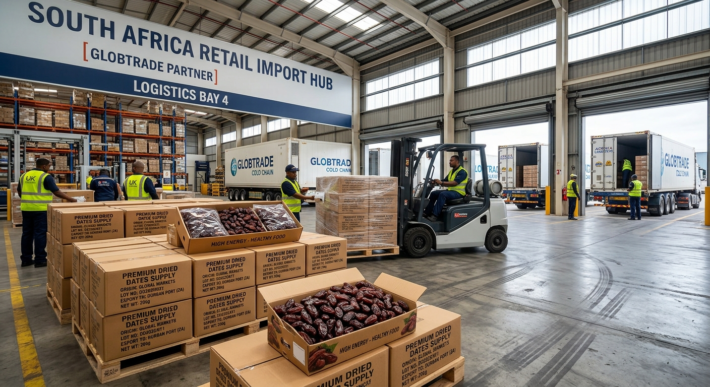
Bulk Tropical Fruits and Pomegranates Supply: 5 Essential Steps

Advance purchasing for bulk tropical fruits and pomegranates supply is officially underway to secure premium produce allocations for the upcoming holiday season. Commercial importers, wholesalers, and food service distributors are negotiating high-volume supply contracts to meet the surge in demand across Australia’s hospitality sector during the peak spring and summer trade period.
Supported by tourism performance data from Tourism Australia and hospitality sector demand forecasts, hotel chains and restaurant groups expect a major influx of domestic and international visitors starting in December. To ensure shipments navigate ocean transit and clear strict Australian biosecurity inspection protocols ahead of the December rush, global exporters and growers must finalize B2B supply agreements within the designated purchasing window running from October 10, 2026, to November 25, 2026.
Market Overview: Meeting Australia’s Peak Hospitality Surge
The arrival of the Southern Hemisphere summer coincides with Australia’s peak holiday trading period. Fine dining establishments, luxury resorts, and catering operations rely on consistent deliveries of high-grade tropical produce and fresh pomegranates to craft summer menus and festive beverage offerings.
Key Procurement Specifications & Commercial Parameters
| Sourcing Attribute | B2B Commercial & Technical Details |
| Target Commodities | Fresh Pomegranates, Mangoes, Papayas, Pineapples & Passion Fruit |
| Target Market | Australian Hospitality Sector (Hotels, Restaurants, Foodservice Chains) |
| Procurement Window | October 10, 2026 – November 25, 2026 |
| Market Catalyst | Summer tourism boom & holiday season demand spike |
| Compliance Standards | Biosecurity Australia Clearances, GLOBALG.A.P., FDA Safety Guidelines |
5 Essential Steps to Secure Bulk Tropical Fruits and Pomegranates Supply
International growers, commercial packhouses, and produce exporters must align their post-harvest handling, pest treatment protocols, and shipping schedules with Australia’s stringent import conditions.
1. Fast-Track Biosecurity and Phytosanitary Clearances
To establish a bulk tropical fruits and pomegranates supply pipeline without port holds, suppliers must meet rigorous plant health regulations enforced by the Department of Agriculture, Fisheries and Forestry (DAFF). Consignments require official Phytosanitary Certificates verifying freedom from fruit flies and quarantine pests. Exporters can reference international food safety frameworks maintained by the U.S. Food and Drug Administration (FDA) and Australian biosecurity portals to ensure compliance.
2. Enforce Strict Cold Treatment and Post-Harvest Disinfection
Navigating Australian quarantine requires verified pest-mitigation treatments prior to or during transit:
-
In-Transit Cold Treatment (ITCT): Maintaining precise sub-zero or low-temperature regimes during ocean freight to eliminate fruit fly larvae.
-
Fumigation & Inspection: Mandatory pre-shipment inspections and phytosanitary treatment protocols certified by accredited quarantine authorities.
3. Maintain High Physical and Aesthetic Quality Benchmarks
Luxury hospitality buyers require premium Grade A appearance, uniform sizing, and optimal sugar-to-acid ratios:
-
Fresh Pomegranates: High aril color, deep red skin, zero crown decay, and high juice content packed in protective single-layer trays.
-
Tropical Fruits: Controlled maturity stages ensuring fruits reach ideal firmness and Brix levels upon arrival at distribution centers.
4. Optimize Air Freight and Express Reefer Shipping Routes
Because timing is critical ahead of December holiday trading, exporters must secure priority reefer container space or dedicated air-freight allocations to guarantee delivery before regional warehouse cutoff dates.
5. Finalize B2B Contracts Prior to November 25, 2026
Producers seeking guaranteed supply quotas for the Australian summer season must finalize price negotiations, batch Certificates of Analysis (CoA), and shipping schedules before the November 25, 2026 deadline.
Frequently Asked Questions (B2B Hospitality Sourcing)
Why is advance purchasing necessary for Australian fruit imports?
Advance purchasing is required to allow sufficient lead time for maritime transit, cold treatment protocols, and mandatory Australian biosecurity inspections before the peak holiday trading season begins in December.
What quality certifications are needed for pomegranates and tropical fruits?
Suppliers must provide valid GLOBALG.A.P. accreditation, official Phytosanitary Certificates with specific biosecurity endorsements, and batch inspection reports confirming compliance with MRLs.
Connect with Verified Buyers and Importers Today
Capitalize on this high-volume commercial opportunity to secure your bulk tropical fruits and pomegranates supply contracts before the purchasing window closes on November 25, 2026. Register on Globtrade to access direct buyer RFQs, submit export tenders, and connect with accredited international importers.
Register with Globtrade to Connect with the Importer Now
💬 Do you need immediate assistance regarding the details of the export opportunity? Contact the GlobTrade support team via WhatsApp.