Citrus B2B Supply Contracts: 5 Urgent Q4 Sourcing Strategies in 2026
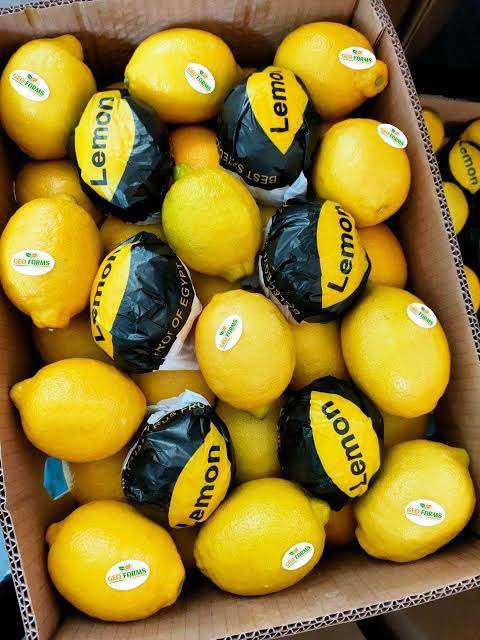
Citrus B2B supply contracts are under immediate commercial focus as regional wholesale trade groups issue an urgent solicitation for proposals to prevent fourth-quarter stock shortages. Importers, hotel supply networks, and corporate food service operators across the Middle East are facing a steep decline in regional citrus reserves. At the same time, domestic consumption is surging due to heavy preparation for the upcoming Umrah season, expanded corporate catering demands, and heightened regional travel activities.
Secure your Q4 export allocation immediately: uncommitted commercial volumes of export-grade lemons, oranges, and mandarins are being rapidly locked in to satisfy mandatory weekly supermarket contracts and luxury hotel catering obligations.
To guarantee uninterrupted weekly deliveries to major retail supermarket chains and hospitality establishments throughout the fourth quarter, procurement directors must execute supply agreements within a tight timeframe. The active procurement window opens on September 25, 2026, and closes on October 20, 2026. Agricultural exporters that maintain certified phytosanitary standards and cold chain reliability can establish lucrative long-term buyer connections during this critical 25-day purchasing window.
Key Procurement Timelines & Deal Milestones
Global fruit exporters, packing houses, and agricultural trading groups must structure their commercial activities around the strict procurement dates defined by regional purchasing boards:
| Procurement Milestone | Official Target Date | Required Operational Action |
| Urgent RFQ Window Opens | September 25, 2026 | Proposal submission & technical phytosanitary audit |
| Commercial Bid Evaluation | October 08, 2026 | Price quotations (FOB/CIF terms) & sample inspection |
| Contract Closing & Execution | October 20, 2026 | Finalize citrus B2B supply contracts & reefer locks |
| Q4 Delivery Cycle | Nov 2026 – Dec 2026 | Weekly scheduled deliveries to retail & hotel hubs |
Agricultural trade partners executing a organized export strategy must submit verified product quality reports prior to October 20, 2026, to lock in guaranteed weekly vessel loadings.
1. Quality & Technical Specifications for Commercial Citrus Procurement
Major supermarket networks, international hotel chains, and corporate catering companies enforce precise grading, sizing, and post-harvest requirements to ensure extended shelf stability:
Commodity-Specific Quality Standards
-
Fresh Lemons (Eureka / Verna): Uniform yellow coloration; minimum juice content of 30%; fruit diameter calibrated between 58 mm and 72 mm; wax-coated with zero breakdown.
-
Valenica & Navel Oranges: Minimum Brix level of 10.5° to 12.0°; high juice yield (>40%); calibrated sizing (counts 48, 56, 64, 72 per 15 kg carton); firm rind without thrips damage.
-
Mandarins / Clementines: Easy-peel varieties; minimum Brix 11.0°; seedless or low-seed count; firm texture with no puffiness or creasing.
Food Safety & Chemical Residue Limits
-
Maximum Residue Limits (MRLs): Full compliance with regional food authority pesticide residue regulations, verified through multi-residue screening (MRM) reports.
-
Packhouse Hygiene Certification: Processing facilities must maintain active GlobalG.A.P., BRCGS, or ISO 22000 certifications with complete lot-level traceability.
2. Mitigating Regional Citrus Shortages & Demand Surges
Rising hospitality occupancy rates driven by religious tourism and corporate events have altered traditional distribution flows, creating an immediate opportunity for international exporters:
[Depletion of Regional Citrus Reserve Stocks]
       │
       ▼ (Surging Umrah & Tourism Demand)
[Regional Retail Chains & Hotel Buyers]
       │
       ▼ (Issues Emergency RFQ for Q4 Supplies)
[Exporters Executing Citrus B2B Supply Contracts]
       │
       ▼ (Sub-Zero Reefer Container Transport)
[Jeddah Islamic Port / King Abdulaziz Port Hubs]
       │
       ▼ (Weekly Scheduled Deliveries to Supermarkets & Catering)
Executing reliable citrus B2B supply contracts ensures a consistent flow of fresh fruit from packhouses to regional distribution centers, protecting suppliers and buyers against spot market price volatility.
3. Import Regulations & Official Food Safety Standards
Exporting fresh agricultural produce into high-demand regional corridors requires strict alignment with national biosecurity and trade regulatory frameworks:
-
Phytosanitary Certification: Every shipment must be accompanied by an official Phytosanitary Certificate issued by the exporting country’s plant protection authority, confirming freedom from Mediterranean fruit fly (Ceratitis capitata) and citrus canker.
-
Cold Treatment Verification: Mandatory in-transit cold treatment protocol ($1.1^\circ\text{C}$ to $2.2^\circ\text{C}$ for 14–18 consecutive days) for fruit originating from regulated pest zones.
-
Packaging & Labeling Standards: Standardized corrugated telescopic cartons (15 kg or 10 kg net weight) labeled with batch number, packing date, origin, and importer details.
Official agricultural import requirements, phytosanitary protocols, and trade directives can be verified directly via the FAO International Plant Protection Convention Official Portal.
4. Cold Chain Management & Storage Guidelines
Maintaining rigid temperature and humidity controls throughout maritime and overland transit is essential to prevent decay and rind pitting:
-
Transit Temperature: Continuous reefer holding temperatures set strictly between $3^\circ\text{C}$ and $6^\circ\text{C}$ for oranges, and $10^\circ\text{C}$ to $12^\circ\text{C}$ for lemons.
-
Relative Humidity: Maintained between 85% and 90% RH to prevent moisture loss and fruit shrinkage.
-
Atmospheric Circulation: High-airflow reefer settings to ensure continuous ethylene evacuation during long-distance ocean crossings.
Adhering to these strict logistics controls guarantees that your citrus B2B supply contracts deliver prime-quality produce that satisfies stringent supermarket shelf-life guarantees.
5. Commercial Proposal Submission Checklist
Agricultural suppliers preparing to submit offers under this urgent procurement notice must assemble a comprehensive technical dossier prior to October 20, 2026.
Mandatory Submission Documents:
-
Commercial Proposal: Quoted price per metric ton or carton on FOB loading port or CIF destination port terms.
-
Product Specifications Sheet: Caliber breakdown, Brix readouts, juice percentage, and defect tolerances.
-
Laboratory Certificates: Pesticide residue analysis and heavy metal testing from an accredited ISO/IEC 17025 laboratory.
-
Supply Capacity Schedule: Confirmed weekly volume commitments and guaranteed vessel departure schedules.
Final contract awards and deal execution for selected citrus B2B supply contracts partners will close on October 20, 2026.
Ready to Supply? Connect Directly with Verified Importers on Globtrade
Capitalize on this high-volume regional citrus procurement drive today. Register on our platform to access direct contact details for verified regional procurement managers, hotel supply directors, and retail buyers.
 Click Here to Register and Submit Your Trade Quote Now