Mediterranean Herbs B2B Export: Urgent 2026 Dutch Buying Guide
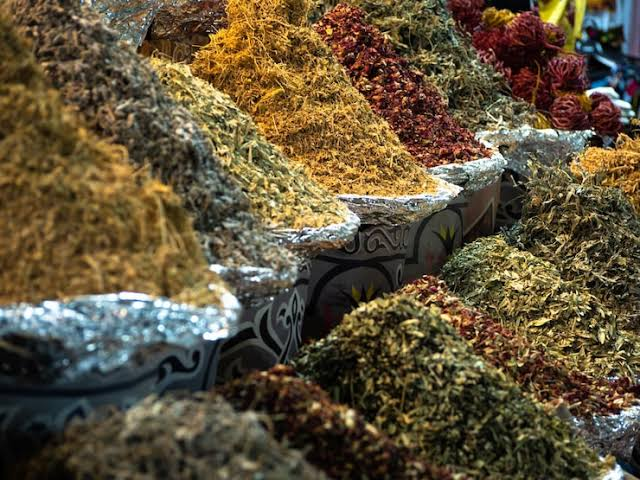
Mediterranean herbs B2B export channels are experiencing unprecedented commercial momentum as Dutch importers and logistics hubs issue emergency procurement requirements. Distributors and wholesale operators across the Netherlands—the central gateway for European botanical trade—are facing sharp inventory depletions in strategic stocks. This spot purchasing campaign aims to secure high-grade dried medicinal herbs, aromatic plants, and culinary spices to feed food processing lines and packaging plants ahead of the peak winter and ready-meal production cycles.
Secure your export allocations immediately: uncommitted commercial volumes of crushed oregano, thyme, basil, and aromatic botanical extracts are being rapidly contracted by Dutch trade houses supplying Western European food manufacturers.
This urgent purchasing surge stems directly from a steep decline in strategic reserve inventories held across Dutch warehouse networks. As European food processors ramp up seasonal manufacturing for ready-meals, soups, and winter savory products, consumption rates have outpaced existing import pipelines. Overseas agricultural processors and spice mills with verified ASTA/ESA quality parameters can capitalize on this high-value procurement window.
Key Procurement Timelines & Deal Milestones
International botanical suppliers, drying plants, and spice export houses must structure their commercial activities around the strict procurement dates set by Dutch trade consortia:
| Procurement Milestone | Official Target Date | Required Operational Action |
| Urgent Buying Window Opens | September 25, 2026 | Technical spec submission & ASTA laboratory COA audit |
| Commercial Bid Submission | October 12, 2026 | Price quotations (FOB/CIF terms) & sample validation |
| Contract Execution & Closing | October 30, 2026 | Final contract signing & sea freight booking lock |
| Winter Processing Window | Q4 2026 – Q1 2027 | Continuous shipment delivery to Dutch re-packing hubs |
Global spice producers executing an organized Mediterranean herbs B2B export initiative must submit verified product quality reports prior to October 30, 2026, to secure long-term supply contracts.
1. Technical Quality Specifications for European Food Manufacturers
European food seasoning manufacturers, tea blenders, and industrial packaging companies maintain rigorous chemical, physical, and sensory benchmarks:
Physical Quality & Moisture Parameters
-
Essential Oil Content: Minimum 1.5% to 2.5% v/w for dried oregano and thyme; minimum 0.5% v/w for rosemary and basil leaves.
-
Moisture Thresholds: Strict maximum 10.0% to 12.0% moisture content to prevent mold development and volatile oil oxidation during transit.
-
Purity & Ash Content: Total ash below 10.0%; acid-insoluble ash under 1.5%; zero tolerance for foreign matter, insects, or extraneous botanical material.
Microbiological & Chemical Safety Standards
-
Pesticide Residue Limits: Full compliance with strict European Union MRL thresholds, validated through multi-residue pesticide screening (MRM).
-
Pathogen Control: Verified absence of Salmonella in 25g, E. coli < 10 CFU/g, with controlled total plate counts (TPC) achieved via steam sterilization or validated organic pasteurization.
2. Mitigating European Botanical Inventory Shortages
Supply chain friction and surging seasonal demand have altered traditional distribution flows, creating an ideal opening for overseas producers:
[Depleted Wholesale Inventories in the Netherlands]
       │
       ▼ (Drives Stockout Risks for Winter Food Lines)
[European Food Manufacturers & Packaging Plants]
       │
       ▼ (Issues Emergency Spot Procurement Notice)
[Mediterranean Herbs B2B Export Suppliers]
       │
       ▼ (Ocean Freight & Ventilated Container Transport)
[Port of Rotterdam / Schiphol Logistics Hubs]
       │
       ▼ (Central Distribution to European Processing Facilities)
Establishing a reliable Mediterranean herbs B2B export link guarantees continuous supply from primary drying facilities to European industrial zones. Utilizing proper moisture barrier packaging prevents hydration and mold growth during maritime transport.
3. Netherlands & European Union Import Compliance
Exporting dried herbs and spices into the Dutch trade corridor requires full alignment with European Union biosecurity, food safety, and trade standards:
-
European Spice Association (ESA) Compliance: Adherence to ESA cleanliness specifications for raw and processed culinary herbs and spices.
-
Phytosanitary Certification: Official origin health clearance certificates verifying freedom from regulated quarantine pests and weed seeds.
-
Traceability & Certified Systems: Processing facilities should hold active GlobalG.A.P., BRCGS, or FSSC 22000 food safety certifications with lot-level tracking.
Official European trade guidelines, food safety protocols, and plant health import regulations can be verified directly through the Netherlands Food and Consumer Product Safety Authority (NVWA) Official Portal.
4. Packaging Integrity & Storage Guidelines
Preserving volatile aromatic oils and color retention throughout sea freight and warehousing is essential for market acceptance:
-
Packaging Materials: Multi-wall kraft paper bags (15 kg to 25 kg) with polyethylene inner liners or polypropylene woven bags with food-grade moisture barriers.
-
Container Shipping Conditions: Clean, dry 20ft or 40ft dry-van containers equipped with desiccant bags to absorb humidity variations during ocean crossing.
-
Storage Environment: Temperature-controlled warehousing below 18°C (64°F) with relative humidity maintained under 60% to prevent oil volatilization.
Adhering to these packaging and handling guidelines ensures that your Mediterranean herbs B2B export shipments arrive in prime condition for industrial blending.
5. Commercial Offer Submission Checklist
Suppliers preparing to participate in this urgent Mediterranean herbs B2B export procurement window must assemble a comprehensive technical file prior to October 30, 2026.
Mandatory Dossier Requirements:
-
Commercial Price Quote: Quotations per Metric Ton or Kilogram on FOB origin port or CIF Rotterdam/Amsterdam port terms.
-
Product Datasheet: Cut size (e.g., rubbed 2–4 mm, whole leaf, or fine powder), essential oil percentage, and ash levels.
-
Laboratory Certificates: Comprehensive microbiological report, pesticide residue screen, and heavy metal analysis from an accredited lab.
-
Supply Capacity Schedule: Guaranteed monthly shipment capacity and verified port departure dates.
Final contract awards and supply allocations for selected Mediterranean herbs B2B export partners will conclude on October 30, 2026.
Ready to Supply? Connect Directly with Verified Importers on GlobTrade
Capitalize on this high-volume European botanical spot buy opportunity today. Register on our platform to get direct contact details for verified Dutch procurement leads, wholesale buyers, and European food processing managers.
 Click Here to Register and Submit Your Trade Quote Now