Frozen Production Inputs B2B Supply: Urgent 2026 German Guide
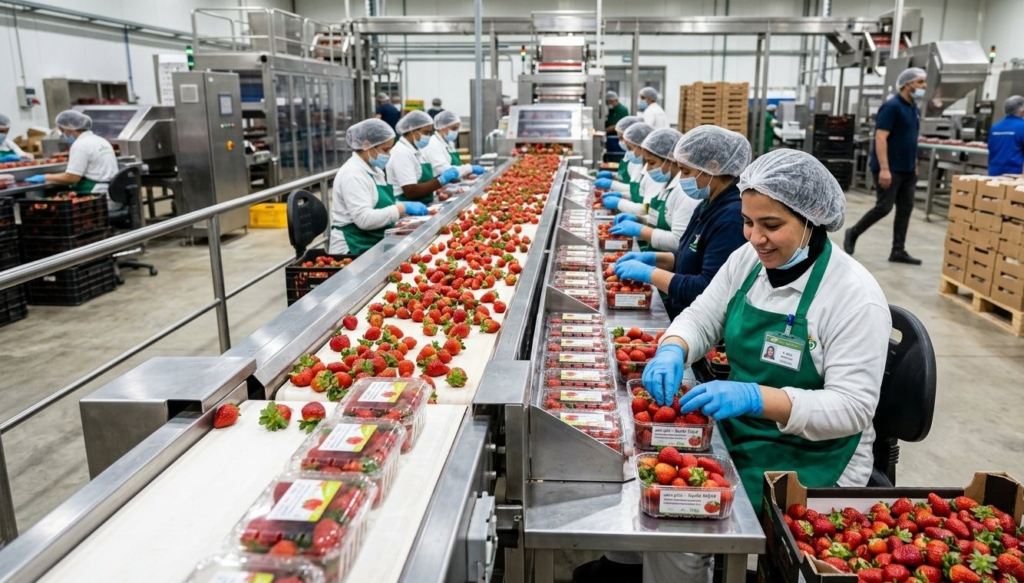
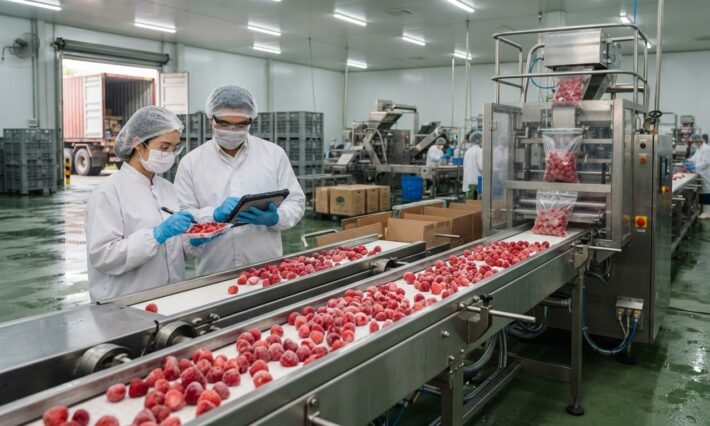
Frozen production inputs B2B supply networks are experiencing immediate commercial demand as German food reprocessors launch an urgent sourcing initiative. An official emergency sourcing notice (IQF Emergency Sourcing Notice) has been issued across international trade channels to secure industrial-grade frozen crops. The purchasing drive focuses specifically on Individually Quick Frozen (IQF) strawberries, diced onions, and green peas essential for keeping major European factory assembly lines operational.
Prevent factory shutdowns: uncommitted commercial volumes of IQF strawberries, onions, and peas are being rapidly locked in by German food reprocessors facing strict Q4 operational mandates.
This sudden purchasing surge stems directly from compounding operational pressures within Germany’s domestic processing sector. Soaring industrial energy tariffs and rising local production costs have made domestic freezing operations increasingly unfeasible. Combined with severe agricultural yield shortfalls across Central Europe, major food manufacturers risk full facility shutdowns unless immediate raw material imports fill the supply gap.
Critical Sourcing Timelines & Milestone Deadlines
Global produce exporters, cold-storage operators, and agricultural trade groups must align their logistics with the strict purchasing schedule defined by German procurement boards:
| Procurement Milestone | Official Target Date | Required Operational Action |
| Emergency Sourcing Window Opens | September 20, 2026 | Technical spec submission & laboratory COA verification |
| Commercial Bid Submission | October 05, 2026 | Price quotations (FOB/CIF terms) & sample validation |
| Sourcing Deadline & Deal Closing | October 20, 2026 | Contract execution & sub-zero reefer container locks |
| Industrial Processing Cycle | Q4 2026 – Q1 2027 | Continuous supply to German food reprocessing plants |
Exporters executing an organized frozen production inputs B2B supply strategy must submit verified product quality parameters before October 20, 2026, to secure long-term industrial contracts.
1. Technical Quality Specifications for German Reprocessors
German food processing facilities and industrial repackers maintain precise physical, chemical, and microbiological standards to guarantee finished-product compliance:
Commodity-Specific Quality Parameters
-
IQF Strawberries: Whole berries sorted to uniform sizing (15–22 mm or 22–25 mm); minimum 8.0° Brix; maximum 1% mechanical defect tolerance; zero mold or fermentation.
-
IQF Diced Onions: Diced 6×6 mm or 10×10 mm variants; well-cured yellow/white cultivars; free-flowing without clumping; minimum 10% dry matter content.
-
IQF Green Peas: Tenderometer value < 105; deep uniform green color; calibrated diameter (8.0–10.2 mm); maximum 0.5% skin damage or loose skins.
Microbiological & Hygiene Standards
-
Microbial Safety Limits: Total Viable Count (TVC) < 100,000 CFU/g, yeast/molds < 10,000 CFU/g, with verified absence of Salmonella, Listeria monocytogenes, and Norovirus.
-
Foreign Matter Control: Strict 0% tolerance for foreign metal, glass, or extraneous vegetable matter (EVM), backed by optical sorting and metal detection reports.
2. Mitigating German Factory Shutdown Risks
High overhead costs and European crop deficits have altered traditional raw material pipelines, opening lucrative opportunities for global suppliers:
[Domestic Energy Costs & Crop Deficit in Germany]
       │
       ▼ (Threatens Factory Line Shutdowns)
[German Food Reprocessing Facilities]
       │
       ▼ (Issues IQF Emergency Sourcing Notice)
[Frozen Production Inputs B2B Supply Partners]
       │
       ▼ (Sub-Zero Reefer Container Transport)
[Port of Hamburg / Bremerhaven Logistics Hubs]
       │
       ▼ (Immediate Cold Storage Transfer & Production Line Batching)
Establishing a streamlined frozen production inputs B2B supply link ensures uninterrupted cargo flow from international packhouses to German industrial zones. Utilizing continuous sub-zero reefer logistics prevents cellular damage and freezer burn during transit.
3. European Union Import Regulations & Safety Directives
Exporters delivering frozen agricultural inputs into Germany must adhere strictly to European Commission food safety frameworks and biosecurity laws:
-
Maximum Residue Limits (MRLs): Full compliance with European Union pesticide residue regulations. Multi-residue screening (MRM) from ISO/IEC 17025 accredited facilities must accompany every shipping dossier.
-
HACCP & IFS/BRCGS Certification: Processing facilities must operate certified Hazard Analysis Critical Control Point (HACCP) systems and hold active International Featured Standards (IFS Food) or BRCGS certificates.
-
Traceability & Container Packaging: Poly-lined corrugated master cartons (10 kg or 13.6 kg) or industrial octabins (500–1,000 kg) with complete batch tracing identifiers.
Official food safety standards, chemical residue frameworks, and import directives for food processing in Germany can be verified directly via the Federal Ministry of Food and Agriculture (BMEL) Official Portal.
4. Cold Chain Integrity & Sub-Zero Storage Protocols
Maintaining unbroken thermal control throughout maritime and overland transit is essential to guarantee industrial raw material usability:
-
Transit Temperature: Continuous reefer holding temperatures set strictly at -18°C (0°F) or colder.
-
Temperature Monitoring: Dual digital data loggers installed inside each container to record core product temperatures every 15 minutes.
-
Preventing Clumping: Advanced IQF freezing protocols to ensure individual pieces remain free-flowing for automated factory hopper feeding.
Adhering to these transport protocols ensures that your frozen production inputs B2B supply cargo arrives fully compliant for high-speed automated processing.
5. B2B Commercial Proposal Submission Checklist
Global suppliers preparing to submit offers under this emergency frozen production inputs B2B supply notice must compile a complete dossier prior to October 20, 2026.
Mandatory Submission Documents:
-
Commercial Offer: Price per Metric Ton quoted on FOB loading port or CIF German port (Hamburg / Bremerhaven) terms.
-
Technical Datasheets: Detailed caliber distribution, Brix/Tenderometer readouts, and defect breakdowns.
-
Laboratory Certificates: Microbiological panel, pesticide residue screen, and heavy metal analysis reports.
-
Supply Allocation Schedule: Guaranteed monthly volume capacity and confirmed vessel loading windows.
Final contract awards and deal closing for selected frozen production inputs B2B supply partners will wrap up on October 20, 2026.
Ready to Supply? Connect Directly with Verified Importers on GlobTrade
Capitalize on this high-volume German frozen raw material emergency buy today. Register on our platform to access direct contact details for verified European procurement managers, industrial food processors, and import directors.
 Click Here to Register and Submit Your Trade Quote Now