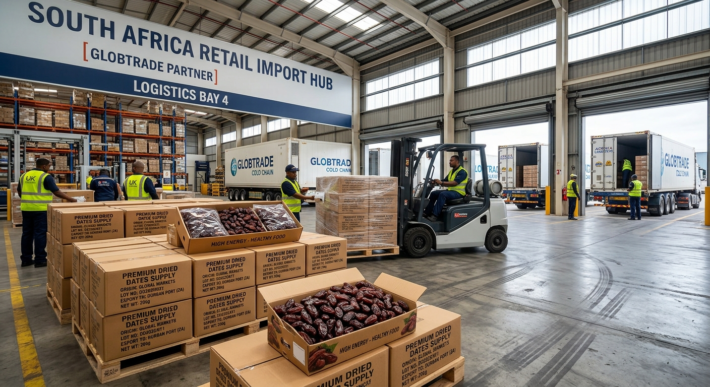
US Dried Mango Sourcing 2026: Fast 5-Step Essential Guide

An emergency US Dried Mango Sourcing 2026 procurement tender has been officially issued by a major North American food manufacturing enterprise. This high-priority B2B sourcing drive seeks immediate, containerized shipments of raw mango materials—including freeze-dried pieces, air-dried slices, and concentrated mango pulp—to resolve severe supply chain deficits across its processing facilities in New Jersey and Charlotte.
This critical shortage is the direct result of a sharp, unexpected decline in mango harvests across major growing regions in Mexico and Peru, triggered by irregular weather patterns toward the end of the Mexican harvesting season. The resulting raw material deficit has threatened continuous production lines for industrial juices, fruit purees, and healthy dried fruit snacks scheduled for November and December distribution. Official agricultural monitoring data published by the National Mango Board confirms that Q3 and Q4 mango shipment volumes destined for industrial processing and canning dropped 18% below annual targets. The verification and contract execution window is open strictly from October 15, 2026, to November 20, 2026.
Market Dynamics: Resolving North America’s Industrial Mango Deficit
Major U.S. food processing plants, snack manufacturers, and beverage blenders require steady, high-volume deliveries of industrial-grade processed mango to avoid costly production shutdowns. Participating in this procurement campaign enables international processors, drying facilities, and agricultural exporters to lock in lucrative, high-volume B2B supply agreements within the U.S. market.
Core Procurement Metrics & Tender Specifications
| Sourcing Parameter | B2B Commercial & Technical Details |
| Commodity Specifications | Air-Dried Mango Slices, Freeze-Dried Pieces, Mango Concentrates/Pulp |
| Target Manufacturing Hubs | Processing Facilities in New Jersey and Charlotte, North Carolina |
| Primary Market Driver | Mexican/Peruvian Harvest Decline + 18% National Mango Board Deficit |
| Procurement Window | October 15, 2026 – November 20, 2026 (Urgent Execution) |
| Compliance Standards | FDA Import Regulations, FSMA, HACCP, FDA Guidelines |
5 Steps to Execute Under the US Dried Mango Sourcing 2026 Tender
Global mango processors, dehydrating facilities, and fruit ingredient exporters must align their processing, laboratory controls, and maritime shipping protocols with U.S. industrial standards.
1. Comply with FDA Import Protocols and FSMA Standards
Executing US Dried Mango Sourcing 2026 contracts without customs delays mandates full adherence to U.S. food safety regulations. Every bulk consignment must carry valid Phytosanitary Certificates, Prior Notice filings, and safety verification compliant with FDA Guidelines and Foreign Supplier Verification Programs (FSVP).
2. Verify Moisture Levels, Coloration, and Brix Standards
U.S. manufacturing plants enforce strict technical specifications for incoming dried and concentrated fruit ingredients:
-
Air-Dried & Freeze-Dried Slices: Uniform slice thickness, natural yellow-orange coloration, zero sulfur dioxide residues (or strict compliance with FDA limits), and moisture content precisely controlled between 12% and 15%.
-
Mango Concentrates & Pulp: Natural soluble solids (minimum 28°–32° Brix for concentrates), smooth texture, optimal pH level (3.5–4.0), and zero added sugars or artificial preservatives.
3. Ensure Strict Microbial Control and Aflatoxin Testing
Industrial juice and snack manufacturing lines enforce strict sanitary parameters:
-
Microbial Safety: Total Plate Count (TPC) within tight industrial tolerances, validated zero E. coli, Salmonella, and yeast/mold counts.
-
Laboratory Certification: Accredited third-party Certificate of Analysis (CoA) verifying total compliance with pesticide Maximum Residue Limits (MRLs) and heavy metal standards.
4. Deploy Nitrogen-Flushed and Vacuum Packaging
Preserving dried fruit quality and preventing oxidation during long-distance ocean transit to East Coast U.S. ports mandates durable packaging:
-
Dried Fruit Packaging: Multi-wall corrugated master cartons lined with nitrogen-flushed, heavy-duty food-grade vacuum polyethylene bags (e.g., 10kg/25lb cartons).
-
Concentrate Packaging: Aseptic bag-in-drum formats (200kg steel drums) or food-grade aseptic bulk totes placed on ISPM-15 heat-treated wooden pallets.
5. Finalize B2B Export Contracts Prior to November 20, 2026
Mango processing entities, dehydrating plants, and agricultural trading companies seeking volume allocations must submit plant audit reports, CoA laboratory sheets, and competitive C&F/CIF pricing before the November 20, 2026 cutoff date.
Frequently Asked Questions (B2B Mango Ingredient Sourcing)
Why is there an urgent demand for dried mango and pulp in the United States?
Weather-related harvest shortfalls in Mexico and Peru created an 18% deficit in processing mangoes, forcing major U.S. plants in New Jersey and Charlotte to secure emergency imported stocks for Q4 production lines.
What quality certifications are required for exporting processed mango to the U.S.?
Suppliers must present official Phytosanitary Certificates, FDA facility registration numbers, third-party CoA reports verifying moisture and microbial safety, and HACCP or BRCGS food safety compliance certificates.
Connect with Verified Buyers and Importers Today
Capitalize on this high-volume commercial opportunity for the US Dried Mango Sourcing 2026 program before the emergency procurement window closes on November 20, 2026. Register on Globtrade to access direct buyer RFQs, submit export tenders, and secure long-term supply agreements with accredited U.S. industrial manufacturers.
Register with Globtrade to Connect with the Importer Now
💬 Do you need immediate assistance regarding the details of the export opportunity? Contact the GlobTrade support team via WhatsApp.