Winter Citrus Import Program 2026: Fast 5-Step Essential Guide
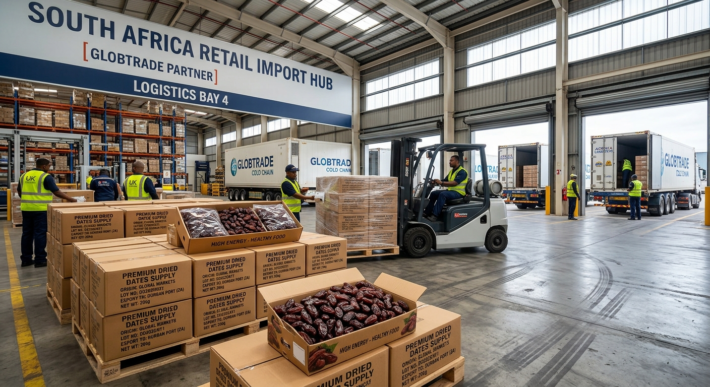
An emergency Winter Citrus Import Program 2026 has been officially launched by a major US distribution corporation. This urgent commercial initiative aims to secure high-volume shipments of citrus and tropical fruits to bridge critical seasonal supply gaps across central markets and leading retail chains.
The launch comes at a critical juncture. Traditional local harvests in Florida and California have been severely impacted by extreme weather events and ongoing drought, leading to a significant decline in the production of domestic citrus and grapes, alongside shifts in fruit sizing. The distributing company is bound by strict, binding annual supply contracts with major retail giants—including Walmart and Kroger—making immediate imports from the Mediterranean basin and Latin America essential. Failure to secure alternative sourcing will result in contractual penalties, significant revenue loss, and a rapid erosion of market share. This necessity is validated by recent reports from the USDA Foreign Agricultural Service and pricing bulletins from the Produce Blue Book.
Global suppliers must act quickly, as the official procurement window is strictly open from October 15, 2026, to December 15, 2026.
The US Fresh Produce Deficit: A Strategic Sourcing Opportunity
For international citrus and tropical fruit producers, this Winter Citrus Import Program 2026 represents a premium strategic opportunity. The US fresh produce market is currently facing a supply-demand imbalance, characterized by high growth in consumption but constrained domestic agricultural output.
Key Commodity Specifications and Volume Drivers
| Fruit Category | Required Commercial Specifications | Major Procurement Drivers |
| Oranges & Mandarins | Navel, Valencia, Easy Peelers; Specific Sizing | Covering Florida/California shortfalls |
| Grapes | Table Grapes (White, Red, Black); Seedless | Drought recovery supply; Sizing shifts |
| Limes & Lemons | Specific Grades (Choice, Fancy) | Offset low domestic choice grade volume |
| Tropical Fruits | Bananas, Avocados, Pineapples | Meeting consistent daily retail demand |
5 Essential Steps to Capitalize on the Winter Citrus Import Program 2026 Drive
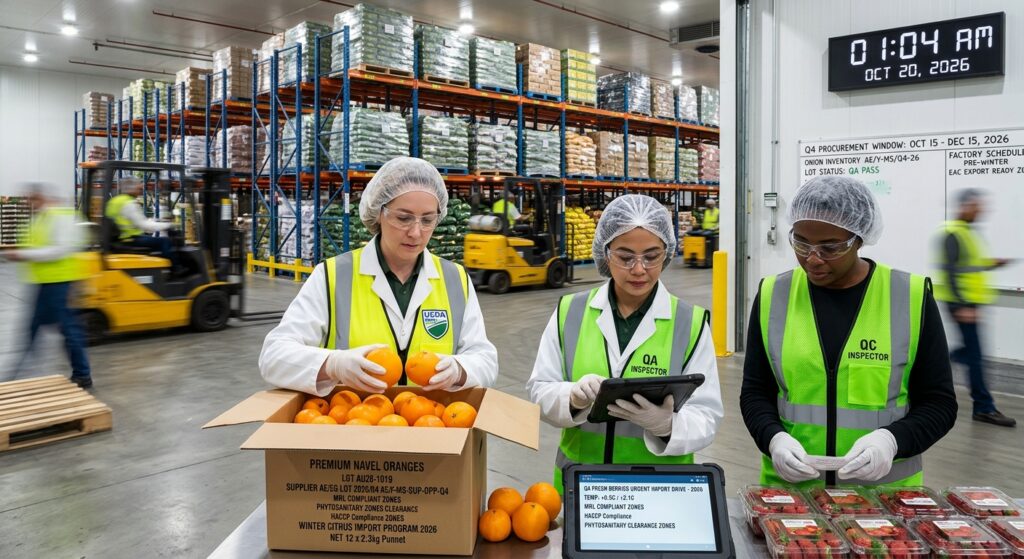
Exporters, packhouses, and agricultural cooperatives must adhere to strict quality, volume, and verification protocols to secure allocations within this high-value sourcing program.
1. Complete Pre-Qualification and Technical Registration
To access the request for quotation (RFQ) documents and submit a tender for the Winter Citrus Import Program 2026, suppliers must register on Globtrade and complete the pre-qualification phase. This requires submitting valid commercial licenses, GlobalG.A.P. certifications (if applicable), and proof of recent high-volume export fulfillment to established international markets.
2. Adhere to Updated Product Specification Sheets
The manufacturer has issued updated specification sheets specifically for this program. All raw citrus and tropical fruits must comply with strict US marketing order grades and tolerances. All shipments must comply with international food safety standards, including relevant guidelines monitored by organizations such as the U.S. Food and Drug Administration (FDA) when applicable for international B2B trade. Special attention will be paid to color requirements, skin texture, and brix levels suitable for immediate retail shelf placement.
3. Guarantee Volume for the Winter Retail Sales Rush
Due to the significant expansion into the EAC retail and hospitality sectors, the company is prioritizing suppliers that can guarantee substantial and continuous volume. Supply reliability is more critical than price in this specific procurement drive, as production line stoppages are the primary operational risk.
4. Provide Traceability and Phyto-Sanitary Documentation
Successful Winter Citrus Import Program 2026 submissions require a comprehensive Certificate of Analysis (CoA) for every batch. These certificates must confirm specific purity levels, moisture content, and chemical residue compliance (MRLs) appropriate for entry into EAC markets.
5. Finalize B2B Export Tenders Before the November 30 Deadline
Trading houses, global spice growers, and processing plants seeking volume allocations must submit their final packhouse audit reports, lot certificates, and competitive CIF Mombasa pricing before the urgent November 30, 2026 cutoff date.
Frequently Asked Questions (B2B Global Spice Trade)
Why is this Kenya Spice Seeds procurement urgent?
The manufacturer must ensure production lines remain operational to stock the retail and hospitality sectors before the peak winter sales season and expansion into new EAC markets in Q1 2027, amid regional shortages.
What are the main requirements for whole spice seeds in this tender?
Suppliers must provide dry, raw cumin, coriander, anise, and marjoram that has been laser-sorted to ensure high purity (>99.5%), free from foreign matter.
Connect with Verified Buyers and Importers Today
Capitalize on this high-volume commercial opportunity for Kenya Spice Seeds B2B Procurement 2026 before the urgent procurement window closes on November 30, 2026. Register on Globtrade to access direct buyer RFQs, submit export tenders, and secure long-term supply agreements with accredited Omani distribution distributors.
Register with Globtrade to Connect with the Importer Now
💬 Do you need immediate assistance regarding the details of the export opportunity? Contact the GlobTrade support team via WhatsApp.