Asian Citrus Supply Urgent Import: 5 Essential Steps for 2026
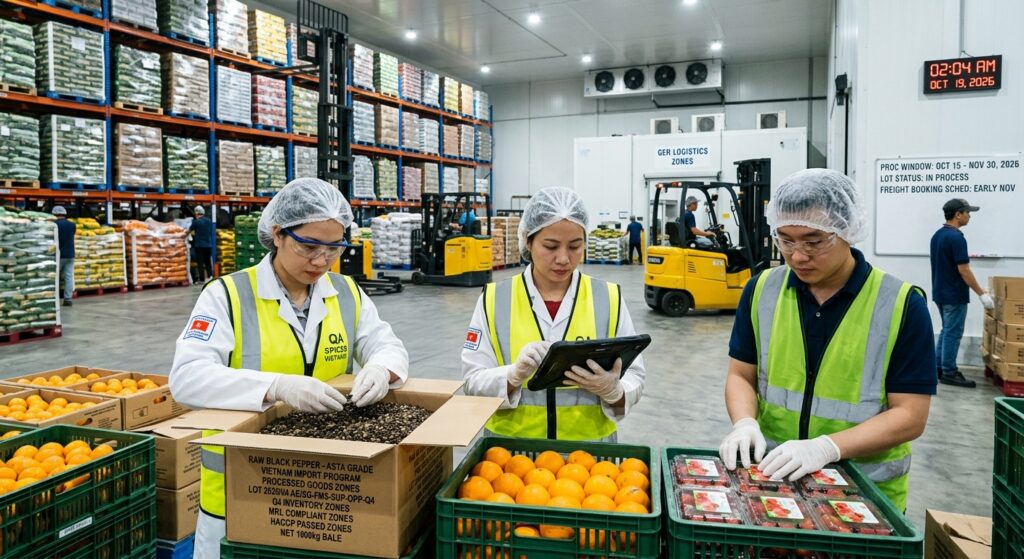
An urgent Asian citrus supply urgent import procurement initiative has been officially launched by a major commercial corporation and shopping center operator to bridge a critical shortage in fresh citrus stocks across Southeast Asia. This commercial sourcing drive aims to satisfy immediate, high-volume procurement demand from small-to-medium wholesale traders, regional distributors, and central agricultural markets across Thailand and the Philippines.
Open central markets in these regions are experiencing a sudden surge in household and institutional demand for Vitamin C-rich citrus fruits, coinciding with seasonal weather transitions and delayed shipments from distant long-haul supply origins. This supply gap has driven local wholesale prices up by 18%, putting pressure on distributors to lock in direct container shipments to capture price margins before the November 10, 2026 cutoff. Industry reports from the Asiafruit Statistics Handbook highlight a 10.4% rise in intra-Asian trade, while data from B2B platforms like Alibaba’s Fresh Produce division indicate that regional demand exceeds available supply by more than double. Exporters can cross-reference sanitation guidelines monitored by the U.S. Food and Drug Administration (FDA) alongside regional phytosanitary frameworks.
Market Dynamics: Capitalizing on Southeast Asia’s Citrus Shortage
Wholesale produce markets across Thailand and the Philippines require immediate containerized deliveries of fresh oranges, mandarins, and lemons to stabilize wholesale price volatility. Securing direct supply contracts allows mid-tier distributors to protect market share against larger competitors and capitalize on the current 18% price premium.
Core Procurement Metrics & Tender Specifications
| Sourcing Parameter | B2B Commercial & Technical Details |
| Primary Commodities | Fresh Oranges, Mandarins, and Lemons (Class I Quality) |
| Target Distribution Hubs | Central Wholesale Markets & Retail Chains (Thailand & Philippines) |
| Market Driver | 18% Price Surge + 2x Demand-Supply Deficit |
| Sourcing Window | October 22, 2026 – November 10, 2026 (Emergency Tender) |
| Compliance Standards | GAP Accreditation, Phytosanitary Clearance, FDA Guidelines |
5 Steps to Satisfy Asian Citrus Supply Urgent Import Demand
Global citrus growers, commercial packing houses, and cold-chain freight exporters must align their grading, juice levels, and transport logistics with Southeast Asian import criteria.
1. Comply with Regional Phytosanitary Import Regulations
Executing Asian citrus supply urgent import contracts without border delays mandates strict compliance with local agricultural quarantine protocols. Every consignment must carry valid Phytosanitary Certificates, origin documentation, and food safety clearances aligned with FDA Guidelines and Southeast Asian plant health standards.
2. Enforce Strict Sizing, Skin Appearance, and Juice Standards
Wholesale buyers and retail operators enforce clear physical benchmarks for imported citrus fruits:
-
Caliber & Coloration: Uniform size sorting, vibrant peel coloration, smooth texture, and freedom from mechanical damage or pest blemishes.
-
Juice & Sugar Balance: Minimum juice content thresholds (40%+) and balanced Brix-to-acid ratios tailored to fresh consumer consumption.
3. Ensure Chemical Residue and Food Safety Compliance
Importers in Thailand and the Philippines enforce Maximum Residue Limits (MRLs) for post-harvest fungicides and agricultural inputs:
-
Residue Testing: Mandatory Certificate of Analysis (CoA) from accredited laboratories verifying compliance with destination market residue limits.
-
Microbiological Purity: Absolute freedom from quarantine pests, decay-causing pathogens, or mold contamination during maritime transit.
4. Deploy Reefer Container Logistics and Protective Packaging
Maintaining cold-chain integrity during ocean freight across tropical maritime shipping routes is essential:
-
Temperature Protocols: Continuous reefer container monitoring maintaining pulp temperatures between 3°C and 6°C with optimal relative humidity (85%–90%).
-
Packaging Solutions: Heavy-duty, vented 15kg or 20kg telescopic corrugated cartons stacked on ISPM-15 heat-treated pallets to prevent box crushing.
5. Finalize B2B Export Contracts Prior to November 10, 2026
Agricultural producers, citrus cooperatives, and international trading houses seeking volume allocations must submit packhouse compliance audits, CoA reports, and competitive C&F/CIF pricing before the November 10, 2026 tender deadline.
Frequently Asked Questions (B2B Asian Fresh Produce Trade)
Why is there an urgent demand for citrus imports in Thailand and the Philippines?
Delayed shipments from distant origins and seasonal weather shifts created a stock shortage that drove wholesale prices up by 18%, pushing demand to more than double available supply.
What certifications are required for exporting citrus to Southeast Asian markets?
Suppliers must present official Phytosanitary Certificates, certificates of origin, third-party CoA lab reports for MRL compliance, and GlobalG.A.P. or HACCP safety documentation.
Connect with Verified Buyers and Importers Today
Capitalize on this high-volume commercial opportunity for an Asian citrus supply urgent import before the procurement window closes on November 10, 2026. Register on Globtrade to access direct buyer RFQs, submit export tenders, and secure long-term supply agreements with accredited Asian fruit distributors.
Register with Globtrade to Connect with the Importer Now
💬 Do you need immediate assistance regarding the details of the export opportunity? Contact the GlobTrade support team via WhatsApp.