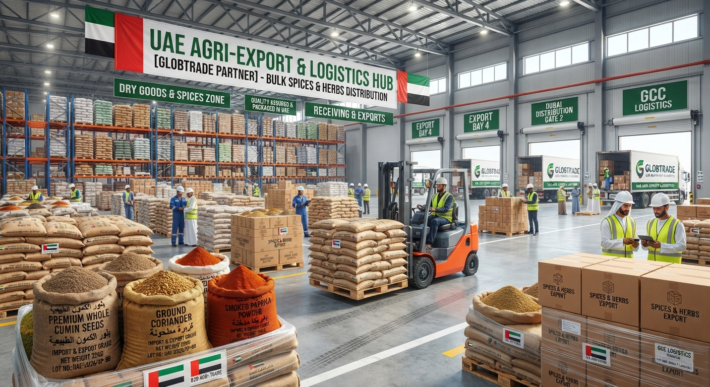
Advance Procurement of Dried Herbs and Spices: 5 Essential Steps
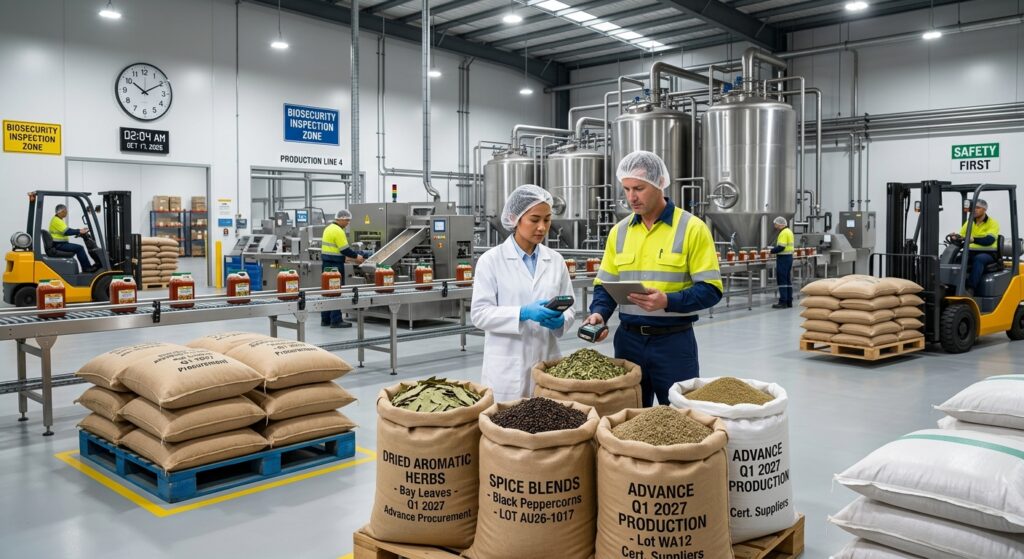
An advance procurement of dried herbs and spices initiative has been officially launched by a premier food manufacturing enterprise expanding its processing capacity for aromatic blends and ready-made sauces. This strategic sourcing effort aligns with updated 2027 manufacturing schedules designed to scale output across commercial production lines to meet rising retail and food service demand across Australasia.
To prepare for first-quarter 2027 manufacturing cycles, global raw material inputs must undergo mandatory microbiological screening and quarantine clearances before factory blending begins. As supported by sector analysis from Food Standards Australia New Zealand (FSANZ) and regional manufacturing performance updates, international botanical suppliers and agricultural exporters must submit B2B proposals within an active communication window running from October 15, 2026, to November 30, 2026.
Market Overview: Scaling Australian Food Manufacturing Capacity
Food processing facilities across Australia require continuous deliveries of clean-label dried oregano, basil, thyme, black pepper, and aromatic spice powders to formulate commercial sauces and seasonings. Advanced contract execution guarantees raw material availability while providing the necessary lead time to satisfy strict biosecurity protocols enforced by the Department of Agriculture, Fisheries and Forestry (DAFF).
Core Procurement Metrics & Tender Specifications
| Sourcing Parameter | B2B Commercial & Technical Details |
| Primary Requirement | Dried Aromatic Herbs (Basil, Oregano, Thyme) & Ground Spices |
| End-Use Applications | Commercial Aromatic Blends, Ready-Made Sauces & Condiments |
| Procurement Window | October 15, 2026 – November 30, 2026 (Advance Q1 2027 Tender) |
| Target Market | Australian Industrial Manufacturing & Packaging Facilities |
| Compliance Standards | Biosecurity Australia, FSANZ Food Standards, FDA Safety Guidelines |
5 Essential Steps in Advance Procurement of Dried Herbs and Spices
International spice processors, agricultural co-operatives, and export houses must align their sterilization techniques, moisture thresholds, and phytosanitary records with Australian manufacturing criteria.
1. Fast-Track Biosecurity and Import Clearances
Participating in the advance procurement of dried herbs and spices requires full compliance with Australia’s strict biosecurity import conditions (BICON). Consignments require official Phytosanitary Certificates verifying mandatory treatment against quarantine pests and seeds. Exporters can verify global food safety benchmarks through official resources supplied by the U.S. Food and Drug Administration (FDA) and Australian plant protection authorities.
2. Verify Strict Microbiological Cleanliness and Pathogen Control
Industrial sauce processing requires raw ingredients with zero microbiological risk to protect shelf stability and prevent batch contamination:
-
Sterilization Methods: Steam sterilization (HTST) certified non-irradiated to preserve natural volatile oils while eliminating pathogens.
-
Microbiological Thresholds: Zero tolerance for Salmonella, E. coli, or spore-forming bacteria, accompanied by third-party laboratory Certificate of Analysis (CoA) reports.
3. Maintain Low Moisture and Essential Oil Benchmarks
Automated dosage and dry-blending equipment require consistent physical parameters to prevent caking and equipment jams:
-
Moisture Content: Strictly capped under 10%–12% depending on botanical variety to eliminate fungal growth during ocean transport.
-
Volatile Oil Content: High essential oil retention ensuring robust flavor profiles after thermal sauce processing.
4. Utilize Heavy-Duty Barrier Packaging for Maritime Freight
Protecting dry botanicals from moisture ingress during long transit routes requires multi-layer industrial containment:
-
Industrial Packaging: Poly-lined multi-wall paper bags or heavy-duty FIBC big bags equipped with desiccants and oxygen absorbers.
-
Container Environment: Sealed dry reefer or ventilated containers maintained under controlled humidity throughout transit.
5. Finalize B2B Supply Contracts Prior to November 30, 2026
Botanical exporters aiming to secure volume supply quotas for the 2027 manufacturing year must submit technical datasheets, sample batches, and competitive CIF pricing before the November 30, 2026 cutoff date.
Frequently Asked Questions (B2B Industrial Sourcing)
Why is advance procurement necessary for Australian spice imports?
Advance purchasing is required to allow sufficient time for ocean freight, mandatory Australian biosecurity quarantine clearance, and third-party microbiological testing before Q1 2027 sauce manufacturing begins.
What quality certifications are required for dried herb tenders?
Suppliers must present valid ISO 22000/HACCP or GFSI accreditation, official Phytosanitary Certificates, steam-sterilization verification, and batch CoAs covering MRLs and microbiology.
Connect with Verified Buyers and Importers Today
Capitalize on this high-volume commercial opportunity for the advance procurement of dried herbs and spices before the communication window closes on November 30, 2026. Register on Globtrade to access direct buyer RFQs, submit export tenders, and secure long-term contracts with accredited international food manufacturers.
Register with Globtrade to Connect with the Importer Now
💬 Do you need immediate assistance regarding the details of the export opportunity? Contact the GlobTrade support team via WhatsApp.