Certified Suppliers of Dried Medicinal Herbs: 5 Essential Steps
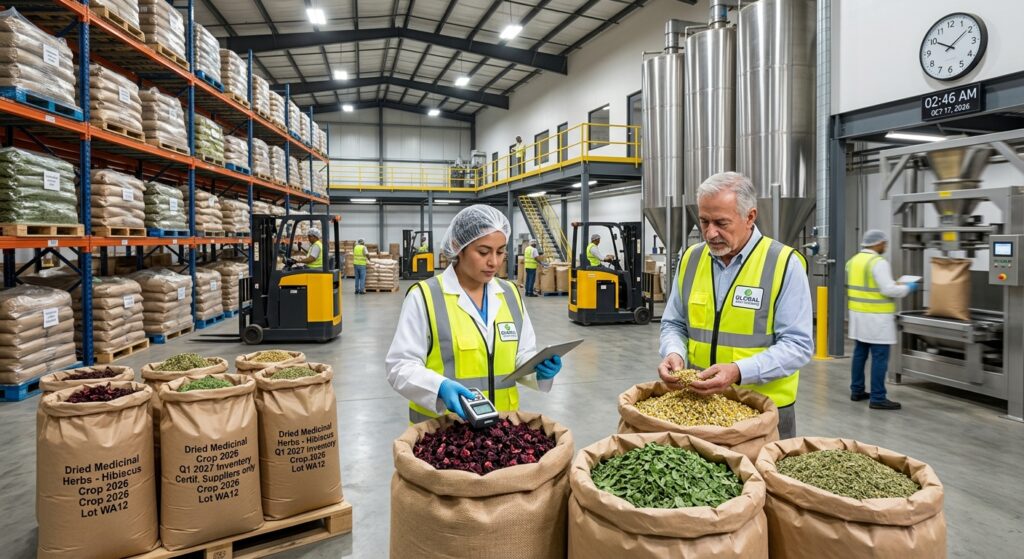
Opportunities for certified suppliers of dried medicinal herbs have been officially opened by a major packaging enterprise seeking strategic trade partners for the Q1 2027 fiscal cycle. This commercial procurement campaign aims to fill critical inventory gaps, replenish reserve stocks before the end of the 2026 fiscal year, and satisfy escalating consumer demand for packaged spices across Guatemala, El Salvador, and Costa Rica.
Because regional packaging networks operate on structured 3-to-4-month advance procurement cycles, contracts must be secured well ahead of tactical retail distribution. International growers, botanical processors, and export co-operatives can submit bids within an active communication window running from October 10, 2026, to November 30, 2026.
Market Overview: Central American Botanical Retail Demand
Surging consumer preference for natural remedies, herbal infusions, and clean-label seasonings across Central America is driving rapid expansion in automated pouch-packing facilities. Securing early bulk contracts ensures high-volume processing plants maintain continuous operation while meeting international food standards governed by institutions like the U.S. Food and Drug Administration (FDA).
Core Procurement Metrics & Tender Specifications
| Sourcing Parameter | B2B Commercial & Technical Details |
| Primary Requirement | Dried Medicinal & Aromatic Herbs (Chamomile, Peppermint, Hibiscus, Basil, Oregano) |
| Target Regions | Guatemala, El Salvador, and Costa Rica Retail Markets |
| Communication Window | October 10, 2026 – November 30, 2026 |
| Procurement Cycle | Advance Seasonal Contracting for Q1 2027 Distribution |
| Regulatory Compliance | ISO 22000, HACCP, Good Agricultural Practices (GAP), FDA Guidelines |
5 Essential Steps for Certified Suppliers of Dried Medicinal Herbs
International exporters and herb processors must align their dehydration techniques, microbiological clearance, and packaging standards with strict Central American retail requirements.
1. Ensure Full Regulatory Clearance and Phytosanitary Certification
To register as certified suppliers of dried medicinal herbs without experiencing port delays, exporters must supply verified health documentation. All shipments require official Phytosanitary Certificates, non-GMO statements, and complete lot traceability records. Exporters can verify regional compliance criteria via the health and trade portals managed by the U.S. Food and Drug Administration (FDA) and local Ministries of Agriculture.
2. Guarantee Precise Moisture, Volatile Oil, and Purity Standards
Automated high-speed sifting and tea-bag packing machinery require strict physical cleanliness and botanical consistency:
-
Moisture Control: Moisture levels capped strictly between 8% and 11% to prevent fungal growth and mold during ocean transport.
-
Essential Oil Content: Guaranteed minimum volatile oil levels to ensure strong flavor and therapeutic efficacy after packaging.
3. Provide Certified Microbiological and Contaminant Screening
Packaging firms require third-party laboratory verification accompanying every commercial lot prior to export dispatch:
-
Pesticide Residue Testing: Full compliance with global Maximum Residue Limits (MRLs).
-
Microbiological Safety: Certified steam sterilization (HTST) or non-irradiated pathogen control guaranteeing zero Salmonella or E. coli contamination.
4. Utilize Protective Bulk Packaging for Long-Distance Shipping
Sustaining aroma and preventing moisture absorption during transit requires heavy-duty food-grade packaging solutions:
-
Multi-Wall Paper Bags & Poly-Lined Sacks: UV-resistant, moisture-barrier multi-ply craft bags or big bags (FIBCs).
-
Container Environment: Sealed dry containers fitted with desiccant bags to prevent moisture condensation during maritime shipping.
5. Submit B2B Tender Proposals Before November 30, 2026
Botanical exporters seeking guaranteed long-term procurement quotas for the 2027 trade year must finalize technical datasheets, pricing terms, and sample shipments prior to the November 30, 2026 cutoff date.
Frequently Asked Questions (B2B Herbal Sourcing)
Why is there an urgent supplier drive for dried medicinal herbs?
Packaging companies in Central America require advance raw material allocations to replenish fiscal reserves and meet projected Q1 2027 retail demand across Guatemala, El Salvador, and Costa Rica.
What certifications are required for dried herb supplier accreditation?
Bidders must provide valid ISO 22000/HACCP certificates, GAP accreditation, official Phytosanitary Certificates, and third-party Certificate of Analysis (CoA) reports for microbiology and pesticide residues.
Connect with Verified Buyers and Importers Today
Capitalize on this high-volume commercial opportunity for certified suppliers of dried medicinal herbs before the procurement window closes on November 30, 2026. Register on Globtrade to access direct buyer RFQs, submit export tenders, and lock in long-term supply agreements with leading international packaging firms.
Register with Globtrade to Connect with the Importer Now
💬 Do you need immediate assistance regarding the details of the export opportunity? Contact the GlobTrade support team via WhatsApp.