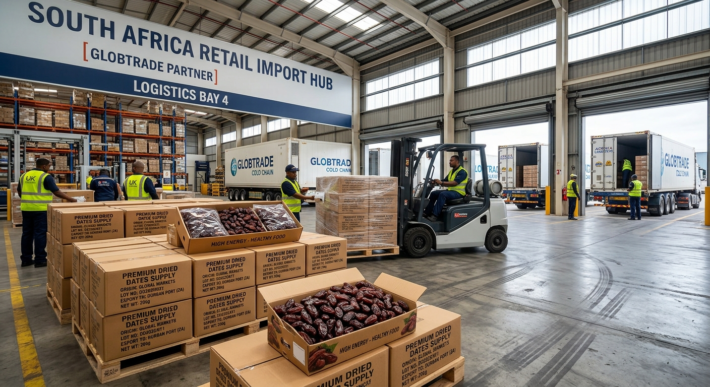
Import Supply Programs for Tropical Fruit: 5 Essential Steps for 2026

Import supply programs for tropical fruit have officially opened for contracting across Spanish logistics and distribution networks. As the domestic mango harvesting season in Southern Spain (Málaga region) comes to a natural close with the arrival of autumn, European fruit importers and wholesale distributors must act swiftly to bridge the critical supply gap between local European harvests and counter-seasonal overseas imports.
Central and Northern European markets continue to demonstrate robust, steady demand for high-quality tropical produce. To maintain uninterrupted supply chains through strategic Spanish distribution hubs, procurement teams have established an intensive contracting window extending from October 15, 2026, to December 20, 2026. International growers and exporters of premium mangoes and tropical fruits are invited to secure long-term seasonal supply contracts.
Market Overview: Bridging the Post-Málaga Harvest Gap
The Málaga province in Southern Spain serves as Europe’s primary domestic tropical fruit production zone. However, as local yield tapers off in October, European retailers rely entirely on re-export hubs in Spain to receive, ripen, quality-check, and distribute imported overseas produce to supermarket chains in Germany, France, the Netherlands, and the UK.
Key Procurement Specifications & Contract Parameters
| Operational Metric | B2B Sourcing Specification |
| Target Commodities | Fresh Tropical Fruit (Primary Focus: Premium Mangoes) |
| Primary Distribution Hubs | Málaga, Valencia, and Mercamadrid Logistics Terminals (Spain) |
| Purchasing Window | October 15, 2026 – December 20, 2026 |
| Market Driver | Conclusion of Spanish domestic season & sustained Northern European demand |
| Compliance Standards | GlobalGAP, SMETA, EU MRL Compliance, FDA Food Safety Standards |
5 Essential Steps for Contracting Import Supply Programs for Tropical Fruit
Global growers and agricultural exporters aiming to supply European distribution networks must align their cold-chain logistics, phytosanitary compliance, and fruit maturity standards with strict European Union retail frameworks.
1. Verify Full Compliance with EU Import & Health Regulations
To seamlessly participate in import supply programs for tropical fruit, exporters must comply with European Union food safety regulations and international sanitary guidelines monitored by official health authorities like the U.S. Food and Drug Administration (FDA) and the European Food Safety Authority (EFSA). All shipments require official Phytosanitary Certificates, maximum residue limit (MRL) verifications, and complete farm-to-fork batch traceability.
2. Enforce Strict Cold-Chain and Controlled Atmosphere Controls
Maintaining optimum post-harvest quality during maritime transit is critical for sensitive tropical produce:
-
Temperature Management: Maintaining precise temperature controls (typically 10°C to 12°C depending on the variety) to prevent chilling injuries while retarding premature ripening.
-
Controlled Atmosphere (CA) Shipping: Utilizing specialized CA containers to manage oxygen and carbon dioxide levels, ensuring extended shelf life upon arrival at Spanish ports.
3. Align Fruit Maturity and Brix Levels with European Retail Specs
Spanish distribution hubs require fruit that meets exact physiological maturity standards to allow for controlled ripening upon arrival:
-
Brix & Pressure Metrics: Minimum dry matter content and firmness specifications tailored for commercial ripening rooms.
-
Blemish & Grade Specifications: Class I grade standards, ensuring uniform color, sizing, and skin integrity required by premium supermarket chains.
4. Optimize Maritime Shipping Routes to Key Spanish Ports
Direct maritime routing through major container ports—such as Algeciras, Valencia, or Barcelona—enables rapid customs clearance and immediate transfer to cold storage facilities, guaranteeing efficient truck distribution to Central and Northern European markets.
5. Finalize B2B Contracts Prior to the December 20 Cutoff
Agricultural producers aiming to lock in fixed purchasing volumes and seasonal pricing must submit commercial quotes, batch certificates, and delivery schedules early within the active October 15 to December 20 contracting window.
Frequently Asked Questions (B2B Tropical Fruit Sourcing)
Why are import supply programs for tropical fruit centered around Spanish hubs?
Spanish distribution hubs possess specialized ripening facilities, cold-storage infrastructure, and established logistics routes that supply Central and Northern European retailers immediately after the local Málaga production season ends.
What is the active contracting window for this seasonal transition?
The seasonal supply contracting window runs from October 15 to December 20, enabling importers to secure guaranteed volumes for autumn and winter distribution schedules.
Connect with Verified Buyers and Importers Today
Do not miss this high-volume commercial opportunity to contract import supply programs for tropical fruit before the seasonal purchasing window closes on December 20, 2026. Register on Globtrade to access direct buyer RFQs, submit export tenders, and connect with verified European importers.
Register with Globtrade to Connect with the Importer Now
💬 Do you need immediate assistance regarding the details of the export opportunity? Contact the GlobTrade support team via WhatsApp.