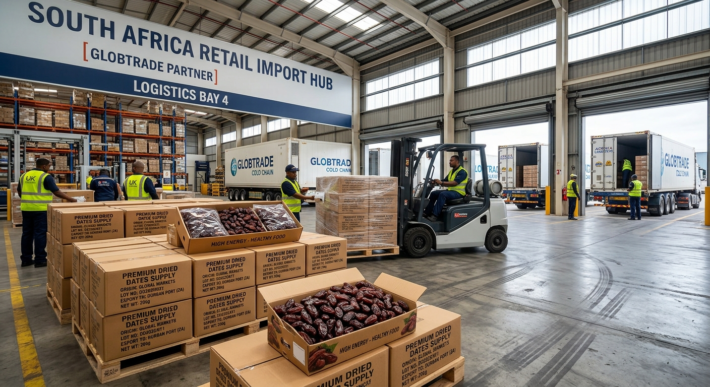
Supply Dried Fruits to Japan: 7 Successful B2B Steps for 2026

Supply dried fruits to Japan immediately to meet urgent procurement tenders issued by major Japanese retail chains and food distributors. The commercial market is experiencing a significant 18% surge in demand for natural, long-shelf-life dried fruits, driven by aggressive retailer preparations for winter gift baskets, corporate packs, and New Year products.
This demand surge coincides with a sharp drop in traditional summer fruit yields across the Mediterranean basin following severe seasonal heatwaves. The resulting supply deficit exceeds 1,500 metric tons for the Japanese retail market ahead of the year-end holidays. Global exporters and agricultural suppliers who participate in the active purchasing window running from October 10, 2026, to December 10, 2026 can secure lucrative long-term supply agreements with verified Japanese importers.
Strategic Market Overview: Japan’s Winter Dried Fruit Shortage
Japan’s premium retail and gift basket sectors rely heavily on consistent imports of standardized, high-grade dried fruits. Climate-driven supply reductions from traditional Mediterranean trade routes require corporate procurement teams in Japan to rapidly diversify their international sourcing partners.
Key Industrial Procurement Overview
| Procurement Attribute | Operational & Commercial Specifications |
| Target Commodity | High-Grade Dried Fruits (Figs, Apricots, Raisins, Prunes) |
| Primary Market Use | Retail Shelf Stock, Winter Gift Baskets & New Year Packs |
| Deficit Volume | Exceeds 1,500 Metric Tons (High Purity Commercial Grade) |
| Procurement Window | October 10, 2026 – December 10, 2026 (Urgent Delivery) |
| Market Catalyst | 18% surge in gift demand & Mediterranean harvest declines |
7 Essential Steps to Supply Dried Fruits to Japan Successfully
Navigating Japanese B2B food import channels requires strict adherence to international food safety regulations, rigorous moisture specifications, and transparent commercial practices.
+---------------------------------------------------------------+
|  1. Fast-Track Compliance to Supply Dried Fruits to Japan     |
+---------------------------------------------------------------+
                               |
                               v
+---------------------------------------------------------------+
|  2. Meet Strict Japanese Moisture & Visual Grading Standards  |
+---------------------------------------------------------------+
                               |
                               v
+---------------------------------------------------------------+
|  3. Secure Batch-Specific Quality Certificates (CoA)          |
+---------------------------------------------------------------+
                               |
                               v
+---------------------------------------------------------------+
|  4. Utilize Sealed, Moisture-Proof Export Packaging           |
+---------------------------------------------------------------+
                               |
                               v
+---------------------------------------------------------------+
|  5. Optimize Port Logistics into Tokyo & Yokohama Gateways    |
+---------------------------------------------------------------+
                               |
                               v
+---------------------------------------------------------------+
|  6. Lock in Shipments Before the December 10 Tender Closing   |
+---------------------------------------------------------------+
                               |
                               v
+---------------------------------------------------------------+
|  7. Partner Directly with Verified Japanese Buyers via Globtrade|
+---------------------------------------------------------------+
1. Fast-Track Compliance to Supply Dried Fruits to Japan
To supply dried fruits to Japan without clearance delays, international exporters must ensure all agricultural shipments comply with Japanese Food Sanitation Laws. Shipments require valid phytosanitary certificates, non-GMO declarations, and pesticide residue inspection documents. Exporters can review global food safety protocols maintained by the U.S. Food and Drug Administration (FDA) or Japanese quarantine authorities to streamline border processing.
2. Meet Strict Japanese Moisture and Visual Grading Standards
Japanese retail buyers enforce exact physical parameters to guarantee product quality in high-end winter gift assortments:
-
Moisture & Texture: Strictly controlled moisture retention levels to preserve natural softness without risking mold growth.
-
Visual Perfection: Uniform size, consistent natural coloration, and complete freedom from dark blemishes, stems, or insect damage.
3. Secure Batch-Specific Quality Certificates (CoA)
Importers in Japan require comprehensive Certificates of Analysis (CoA) for every shipment lot. Providing accredited lab analysis confirming compliance with sulfur dioxide ($SO_2$) limits, heavy metal thresholds, and zero aflatoxin contamination accelerates sample approvals and contract execution.
4. Utilize Sealed, Moisture-Proof Export Packaging
Transporting delicate dried fruits through varying ocean climates requires protective bulk packaging. Orders must be packed in food-grade, vacuum-sealed polyethylene liners within heavy-duty corrugated cartons to prevent moisture absorption and ambient aroma degradation.
5. Optimize Port Logistics into Tokyo & Yokohama Gateways
Securing direct maritime container routes into major Japanese import hubs—such as the Ports of Tokyo, Yokohama, or Kobe—is critical. Early booking of dry container space ensures cargo arrives in time for retailer distribution schedules.
6. Lock in Shipments Before the December 10 Tender Closing
Operating within the official procurement timeline closing on December 10, 2026, is essential for global suppliers aiming to supply dried fruits to Japan before peak holiday sales begin. Prompt execution allows retail chains to assemble winter gift baskets without supply interruptions.
7. Partner Directly with Verified Japanese Buyers via Globtrade
Bypassing intermediary broker channels enables international producers to provide competitive C&F/CIF pricing structures while establishing direct commercial contracts with accredited Japanese retail buyers.
Frequently Asked Questions (B2B Sourcing)
Why is there an urgent tender to supply dried fruits to Japan right now?
An 18% increase in seasonal demand for holiday gift baskets, combined with a 1,500-ton supply deficit caused by Mediterranean heatwaves, has forced Japanese buyers to open urgent import tenders to secure inventory before year-end festivities.
What quality standards apply when you supply dried fruits to Japan?
When suppliers supply dried fruits to Japan, all batches must satisfy strict moisture parameters, carry accredited CoAs for aflatoxin and pesticide compliance, adhere to legal $SO_2$ limits, and be packed in sealed, food-grade export cartons.
Connect with Verified Importers Today
Do not miss this high-value commercial opportunity to supply dried fruits to Japan before the official purchasing window closes on December 10, 2026. Access direct tender specifications, trade documentation support, and verified buyer contacts through our platform.
Register with Globtrade to Connect with the Importer Now
💬 Do you need immediate assistance regarding the details of the export opportunity? Contact the GlobTrade support team via WhatsApp.